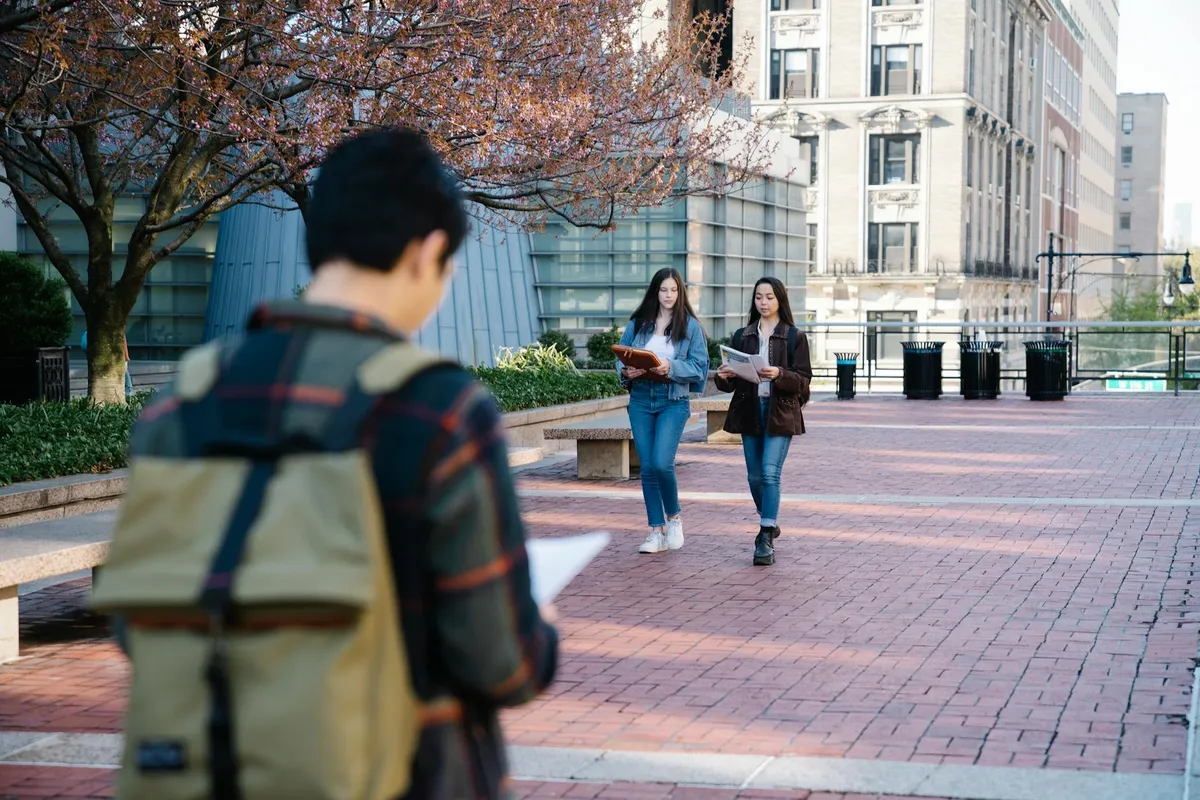
For my first two years at Gachon I performed the version of Korean university life that I thought everyone else was having. Active in clubs. Strong grades. Visible on campus. Engaged with the social patterns that I had been told were what university would be. The performance was exhausting and produced the opposite of what I actually wanted from the university experience. This essay is about how I stopped and what I have learned since.
I am writing this honestly because I think there are other Korean university students performing similarly exhausting versions of campus life and that some of them might benefit from knowing they are not the only ones who find the performance exhausting.
What the performance involved
The performance involved specific commitments that I made in my first year and continued through the second year.
I joined three campus clubs because I had been told that active club participation was important for university experience and for post-graduation networking. The clubs took substantial time. I did not particularly enjoy any of them. I attended because I had committed to attend.
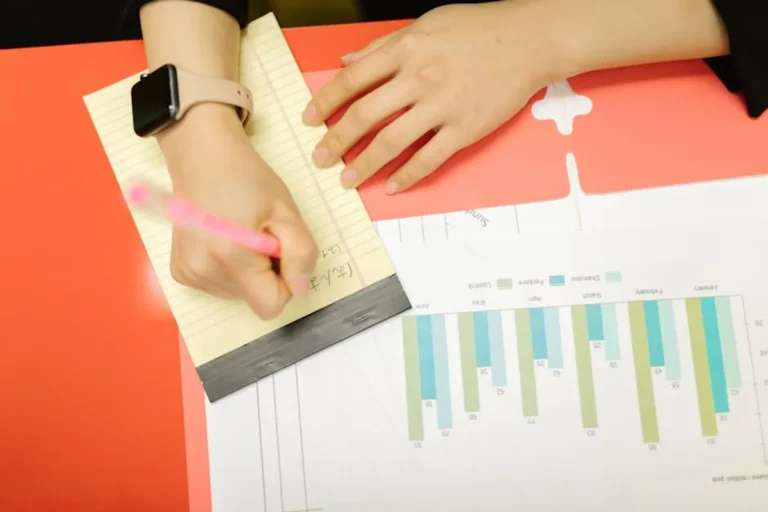
I maintained a high grade point average through the kind of sustained study effort that everyone in the academic-track community treats as the baseline. The effort was real. The grades were achieved. I do not remember most of the specific course content from my first two years because I was studying to perform on tests rather than to understand the material.
I participated in social patterns that I had been told were what university social life involved. Drinking nights with classmates. Club socials. The various networking events that the academic-track community treats as professional development. I did not particularly enjoy most of this. I participated because I had been told that participation was what university life was.
I maintained a campus-active visibility through the various platforms where university students perform their participation. Social media presentation of campus involvement, attendance at events that I would have skipped if attendance had not been visible, the various forms of social proof that university students construct around their participation.
The aggregate of all of this consumed the time I would have wanted for the things I actually cared about. Sustained reading on topics that interested me. Genuine engagement with the courses I found compelling. Time with the small number of friends whose company I genuinely enjoyed. The performance crowded out the substance.
How I figured out it was not working
The recognition that the performance was not producing what I wanted came gradually rather than dramatically. Several specific moments contributed.
I noticed that the activities I described to other people as enjoyable were activities I would not have chosen if no one had been watching. The performance was not even producing experiences I valued. It was producing experiences I performed valuing.
I noticed that the things I actually looked forward to — specific reading, conversations with specific friends, certain quiet hours when I had no scheduled activity — were the things the performance left least time for. The activities I most wanted were systematically squeezed out by the activities I least wanted.
I noticed that the energy I had at the end of each week was substantially less than the energy I had at the start. The performance was depleting me at a rate that prevented me from doing the things I would have been good at doing if I had not been so depleted.
I noticed that the friends who I valued most were people I saw least often because the performance schedule did not include the time I would have wanted to spend with them. The performance was actively interfering with the relationships I most wanted to develop.
The cumulative recognition of these patterns produced the conclusion that the performance was not working. The next question was what to do about it.
What stopping required
Stopping the performance was harder than starting it had been. The starting had been gradual accumulation of commitments. The stopping required active disengagement from commitments that had social weight.
I left two of the three clubs at the end of my second year. The leaving was awkward. The club members did not understand why I was leaving. I provided various polite explanations that did not capture the actual reason. The actual reason was that I had been participating without enjoyment and was not willing to continue.
I reduced my study effort to what was required for genuine understanding rather than for grade optimisation. My grades dropped slightly. The drop felt larger than it actually was because I had been trained to treat grade decline as catastrophic. The actual decline was modest. The understanding I developed in courses was substantially deeper than before.
I stopped attending most of the social events I had been performing attendance at. The reduction was visible to my classmates. Some interpreted it as social withdrawal. The interpretation was not quite right but I did not have a better explanation to offer.
I let my campus social media presence become essentially inactive. The attention I had been spending on visible participation went to actual participation in things I cared about. The visibility decline did not hurt me in any way that I could detect.
What changed after
The semester after I stopped the performance was different in specific ways.
I had time to read sustainedly on topics that I cared about. The reading produced understanding that the performance period had not produced. The accumulated reading is now part of what I bring to my coursework rather than something separate from it.
I spent more time with the small number of friends I genuinely enjoyed. The friendships deepened. The accumulated time with people who matter to me has been worth more than the dispersed time with the broader social network the performance had maintained.
I had energy at the end of each week that I had not had during the performance period. The energy went to the things I cared about rather than to recovery from depletion.
I developed a quieter campus presence that suits my actual personality rather than the performed personality I had been maintaining. The quieter presence is more sustainable and more genuine.
My academic engagement deepened in courses I cared about even as it weakened slightly in courses I had been performing engagement with. The aggregate academic experience improved even though some surface metrics declined.
What I would tell other students
For other Korean university students who might be performing similar versions of campus life, I would say several specific things.
The performance is exhausting in ways that are not always conscious. If you are tired all the time despite getting reasonable sleep, the performance may be a contributing factor. The tiredness is itself diagnostic.
The activities you would choose if no one were watching are usually different from the activities you are performing. The gap between performed and chosen activity is itself diagnostic.
The relationships you most value are usually being squeezed out by the activities the performance involves. If you are not seeing your closest friends as much as you would like, the performance schedule is probably part of the reason.
Stopping the performance is harder than starting it but is achievable. The social cost of stopping is real but is smaller than it feels in the moment of stopping. Most of the people whose opinions you are performing for do not actually care as much as you imagine they care.
The university experience that develops after stopping is more rewarding than the performance experience was. The development takes time but is real. The early period of stopping is uncomfortable. The subsequent period is much better than the performance period was.
What I think about university culture now
I think Korean university culture produces specific pressures toward performance that are not always serving students. The pressure comes from multiple directions including peer culture, family expectations, post-graduation career demands, and the broader cultural framing of what university is for.
The pressure is not entirely wrong. Some of what the culture pushes students toward is genuinely valuable. Active engagement, sustained academic effort, social development through participation in community — these are real goods that the culture promotes.
The pressure is also not entirely right. The performance pattern that develops in many students is exhausting and produces less substantive value than the genuine engagement that the performance crowds out. Students who can navigate to genuine engagement past the performance pressure end up with better university experiences than students who cannot.
The cultural change required to reduce the pressure is beyond what any individual student can produce. The cultural conditions are durable and reflect genuine cultural priorities. Individual students who navigate to genuine engagement are working within the cultural pressure rather than changing it.
For now, the most useful thing I can do is to write about my own experience honestly so that other students who might be in a similar position can recognise their own situation in the description. The description does not solve the cultural problem but does create the possibility of individual recognition that supports individual response.
The performance I had been giving for my first two years of university produced almost nothing of value to me. The honest engagement I have developed since has produced substantial value. The trade has been worth making. I expect it to continue producing value across the rest of my undergraduate years and beyond. Sharing the trade-off honestly is part of what I think a student journalism site should be doing.