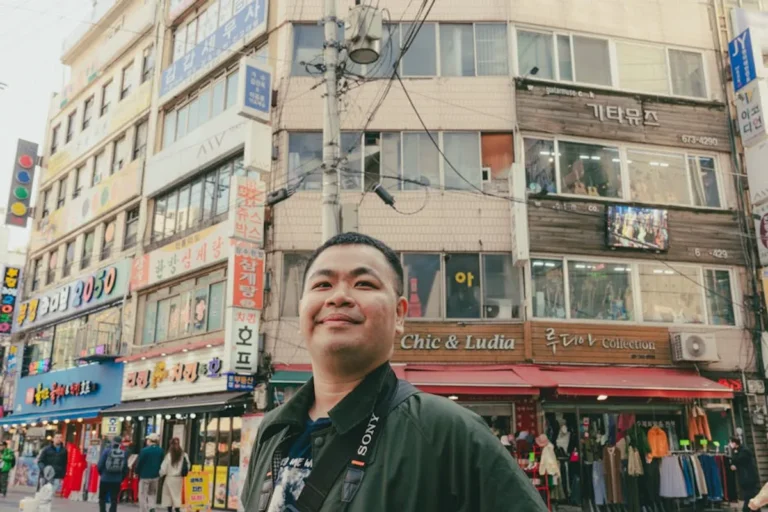
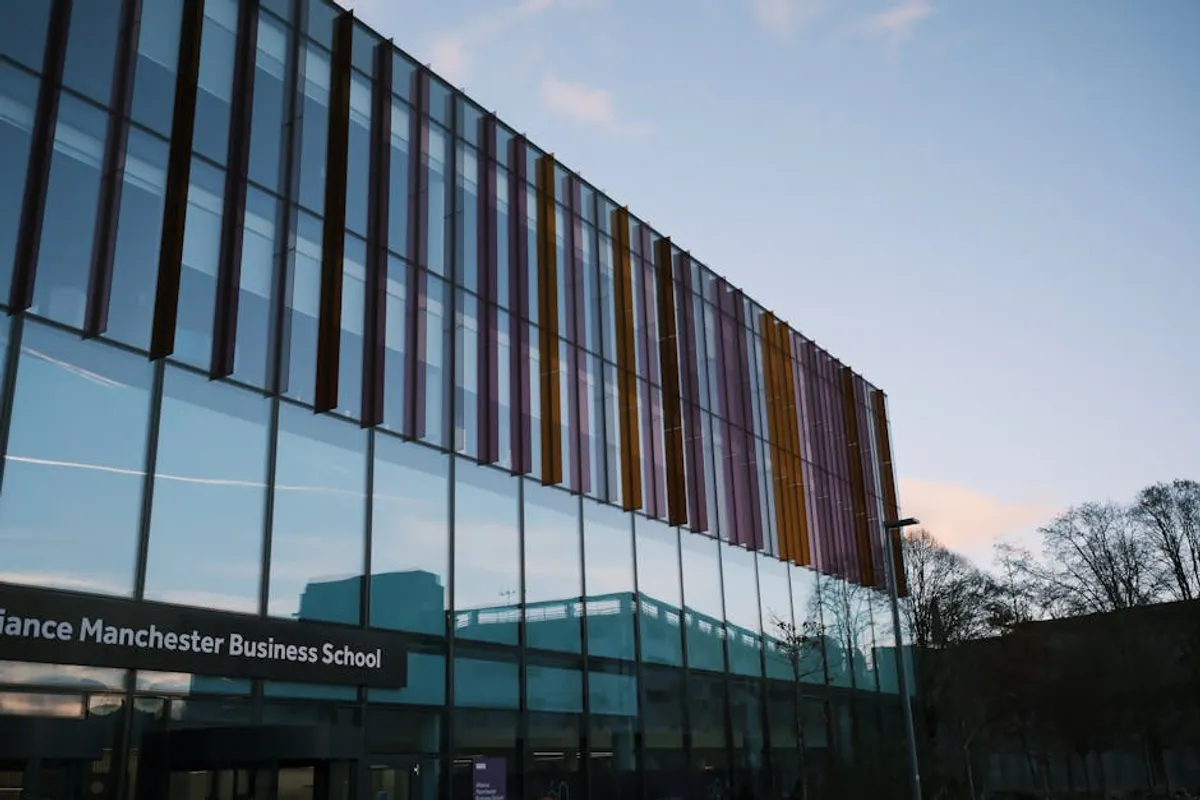
Campus culture photography moves beyond simple event documentation; it’s about capturing the authentic spirit, daily rhythms, and unique atmosphere that define an educational institution. These images are powerful assets for admissions, alumni relations, and internal communications, directly influencing how prospective students, faculty, and stakeholders perceive the institution. Effectively conveying genuine campus life through visuals requires a deliberate approach, blending technical skill with an understanding of the environment. This guide provides actionable strategies for photographers and marketing teams aiming to produce compelling campus culture imagery.
Understanding the Campus Narrative
Successful campus culture photography begins with a deep understanding of the institution's unique story. This involves more than just identifying landmarks; it means recognizing the intangible elements that shape daily life and community. Photographers must immerse themselves to genuinely reflect the campus’s character.
Identifying Key Themes and Traditions
Each campus possesses distinct themes, traditions, and values. Prior to any shoot, research these elements. Is the campus known for its vibrant arts scene, groundbreaking research, athletic prowess, or community engagement? Are there specific annual events, student-led initiatives, or architectural styles that are emblematic? For example, a campus with a strong sustainability focus might prioritize images of students working in community gardens or engaging in eco-friendly projects, rather than just lecture halls. Identifying these core narratives helps frame the visual strategy, ensuring the images resonate with the institution's identity.
Beyond the Classroom: Documenting Daily Life
While academic pursuits are central, campus culture thrives in the moments between classes. Focus on capturing students interacting in common areas, studying in libraries, participating in extracurricular activities, dining, or simply walking across campus. These candid, unposed moments often reveal the most authentic aspects of student life. Look for scenes that show collaboration, quiet contemplation, energetic engagement, and diverse social interactions. The goal is to illustrate the full spectrum of the student experience, not just formal learning environments.
Technical Approaches for Authentic Capture
Effective campus photography requires thoughtful gear selection and mastery of photographic principles to produce natural, engaging results.
Gear Selection for Versatility and Discretion
Choosing the right equipment impacts both image quality and the photographer's ability to blend in. A versatile camera body (full-frame or APS-C DSLR/mirrorless) paired with a selection of prime and zoom lenses offers flexibility. A fast prime lens (e.g., 50mm f/1.8 or 35mm f/1.4) excels in low light and creates appealing depth of field, ideal for isolating subjects in busy environments. A mid-range zoom (e.g., 24-70mm f/2.8) provides flexibility for various scenarios without constant lens changes. Consider a telephoto zoom (e.g., 70-200mm f/2.8) for discreetly capturing candid moments from a distance, minimizing intrusion. Avoid overly bulky setups that might make subjects self-conscious.
Mastering Natural Light and Composition
Natural light is often the most flattering for campus photography. Schedule shoots during the "golden hours" (shortly after sunrise and before sunset) for soft, warm light that enhances outdoor scenes. Overcast days provide diffused, even light, reducing harsh shadows. When shooting indoors, utilize available window light. For composition, employ the rule of thirds, leading lines, and framing to create visually interesting images. Pay attention to backgrounds, ensuring they add context without distracting from the subject. Capture a mix of wide shots to establish location, medium shots for context, and tight shots for detail and emotion.
Ethical Photography: Consent and Representation
Capturing campus life ethically is paramount. It builds trust and ensures images are used responsibly.
Navigating Consent in Public and Private Spaces
While public spaces generally allow photography without explicit individual consent, it's always best practice to seek permission, especially when individuals are clearly identifiable and the focus of the image. For promotional materials, signed model releases are essential. Develop a clear policy for obtaining consent, particularly when photographing minors. For informal, candid shots, a friendly nod or brief verbal confirmation can suffice. Be transparent about how the images will be used. When photographing in private spaces (e.g., dorm rooms, specific labs), always obtain explicit permission from those present and the relevant department.
Authentic and Inclusive Representation
Ensure the images accurately reflect the diversity of the campus community. This includes representing various ethnicities, genders, abilities, and interests. Avoid tokenism; instead, aim for natural, unforced inclusion. Show students engaging in activities that genuinely reflect their interests and contributions. The goal is to create a visual narrative that makes everyone feel seen and valued, reinforcing the institution's commitment to inclusivity. This also extends to showing a range of emotions and experiences, from focused study to joyful celebration.
Pro Tip: Prioritize capturing genuine interactions over staged poses. While a few directed shots might be necessary for specific marketing needs, the most compelling campus culture photographs are often those where subjects are unaware they are being photographed, allowing their natural expressions and interactions to shine through. Position yourself discreetly and observe before shooting.
Storytelling Through Visual Sequences
Individual photographs are powerful, but a series of images can tell a richer, more comprehensive story.
Capturing Moments, Not Just Poses
Focus on action and emotion. Instead of asking students to smile at the camera, capture them laughing with friends, concentrating on a project, or celebrating a victory. These "in-between" moments are often the most authentic and evocative. Think about the narrative arc of a student's day or a specific event. What are the key emotional touchpoints? How does the environment contribute to the feeling? A student walking purposefully to class, then engaged in a lively discussion, then relaxing on the quad, tells a more complete story than three isolated portraits.
Building a Visual Narrative Arc
When compiling images, consider how they flow together to form a cohesive story. A strong visual narrative often includes: establishing shots to set the scene, medium shots to introduce characters and actions, and close-ups to convey emotion or detail. Varying perspectives and focal lengths within a series keeps the viewer engaged. For example, a series documenting a campus event might start with wide shots of the venue, move to medium shots of participants interacting, then close-ups of expressions or specific activities, concluding with a shot that captures the overall atmosphere.
Practical Shooting Strategies
- Scout Locations: Visit potential shooting spots at different times of day to understand light conditions and student traffic patterns. Identify areas that offer visual interest and natural backdrops.
- Be Patient: Great candid moments often require waiting. Don't rush; allow scenes to unfold naturally.
- Shoot in Bursts: Use continuous shooting mode to capture a sequence of actions, increasing the likelihood of getting the perfect expression or moment.
- Engage with Subjects: If you need a more directed shot, approach subjects politely, explain your purpose, and make them feel comfortable. A brief, friendly conversation can lead to more natural-looking posed photos.
- Stay Flexible: Be prepared to adapt to changing light, weather, or unexpected opportunities. Sometimes the best shots are unplanned.
- Look for Interactions: Focus on groups of students interacting rather than isolated individuals, as this conveys a stronger sense of community.
Implementing These Strategies
Mastering campus culture photography is an ongoing process of observation, technical refinement, and ethical consideration. By focusing on authentic storytelling, understanding the unique narrative of each institution, and employing thoughtful photographic techniques, you can create a visual library that truly reflects the vibrant and diverse life of a campus. These images will not only serve immediate marketing needs but also stand as a timeless representation of the institution's spirit.
Frequently Asked Questions
What is the primary goal of campus culture photography?
The primary goal is to authentically capture and convey the unique spirit, daily life, and atmosphere of an educational institution, showcasing its community, values, and student experience for various stakeholders.
How can I ensure my photos look natural and unposed?
To achieve natural-looking photos, prioritize candid shots by observing and anticipating moments, using a telephoto lens for discretion, and positioning yourself to blend in. When interacting with subjects, make them comfortable and give minimal direction.
What are the most important ethical considerations for campus photography?
Key ethical considerations include obtaining consent (especially for identifiable individuals and promotional use), ensuring authentic and inclusive representation of the diverse campus community, and being transparent about image usage.
What types of lenses are most useful for campus culture photography?
A versatile kit typically includes a fast prime lens (e.g., 35mm or 50mm f/1.4-1.8) for low light and depth of field, a mid-range zoom (e.g., 24-70mm f/2.8) for general coverage, and a telephoto zoom (e.g., 70-200mm f/2.8) for discreet candid shots and isolating subjects.