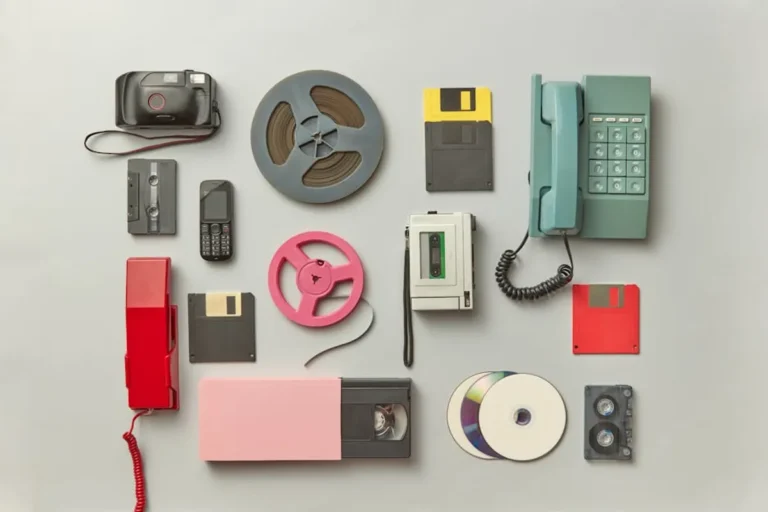

Local museums and archives, often operating with limited resources and focused on physical preservation, face an urgent imperative to digitize their collections and operations. The decision to invest in digital content is no longer a luxury but a strategic necessity for relevance, survival, and growth in a landscape increasingly defined by online access and engagement. Without a robust digital presence, these institutions risk diminished public visibility, reduced research utility, and a failure to connect with contemporary audiences who expect immediate, remote access to information and cultural heritage. Investing in digital content is a strategic necessity, and many institutions find success by building a local history resource page to engage audiences.
Expanding Reach Beyond Physical Walls
Digitizing collections and creating digital content directly addresses the inherent geographical limitations of physical institutions. This expansion is critical for attracting new demographics and serving existing ones more effectively.
Attracting New Audiences
A digital presence allows local museums and archives to reach individuals who might never visit in person. Younger generations, accustomed to digital-first experiences, are more likely to discover and engage with cultural content through online platforms. High-quality digital exhibits, virtual tours, and interactive educational resources can transform passive interest into active participation, cultivating future patrons and supporters. For instance, a local historical society can make its unique photograph collection accessible to a global audience of genealogists or historical researchers, generating interest and potential donations from unexpected corners.
Overcoming Geographical Limitations
Physical location restricts access to a small radius of visitors. Digital content, however, offers worldwide access to unique local histories, art, and scientific collections. This global reach means that specialized researchers in another country can access rare documents, or a diaspora community can connect with their heritage without travel. This isn't just about convenience; it's about making unique, often irreplaceable, cultural assets available for scholarship, education, and public enjoyment regardless of physical proximity. The investment in digitization multiplies the potential impact of every artifact and document.
Enhancing Engagement and Educational Value
Digital content transforms how audiences interact with collections, moving beyond static displays to dynamic, personalized learning experiences.
Interactive Learning Experiences
Digital platforms enable interactive exhibits, virtual reality tours, and augmented reality overlays that bring artifacts to life in ways impossible with physical displays alone. A virtual tour of a historic home, complete with narrated context and clickable details on period furniture, offers a richer, more immersive experience than a simple walk-through. Educational programs can be developed with digital components, allowing students to explore primary sources, participate in online workshops, or engage with historical narratives through multimedia presentations. This interactivity fosters deeper understanding and retention.
Deeper Context and Accessibility
Digital content allows for the provision of extensive metadata, transcriptions of handwritten documents, and multilingual interpretations, making complex historical or scientific information more accessible. Researchers can search vast collections by keyword, date, or subject, uncovering connections that would be laborious or impossible with physical indexes. For individuals with disabilities, digital content can be adapted with screen readers, audio descriptions, and adjustable text sizes, ensuring equitable access to cultural heritage that physical spaces often struggle to provide.
Preserving and Future-Proofing Collections
Digitization is a critical component of long-term preservation strategies, protecting fragile originals while ensuring their content remains accessible indefinitely.
Mitigating Physical Deterioration Risks
Many local museums and archives house fragile artifacts, decaying paper documents, and sensitive photographs that are vulnerable to handling, environmental factors, and natural disasters. Creating high-resolution digital surrogates reduces the need for physical interaction with originals, thereby extending their lifespan. In the event of fire, flood, or other catastrophe, digital copies serve as an invaluable backup, ensuring that the intellectual and cultural content is not lost forever, even if the physical item is destroyed. This digital preservation effort highlights the importance of community archives in safeguarding our collective memory for future generations.
Ensuring Long-Term Access and Discoverability
Digital preservation involves more than just scanning; it includes careful cataloging, metadata creation, and adherence to digital preservation standards. This systematic approach ensures that digital files remain readable and retrievable as technology evolves. Proper metadata makes collections discoverable through search engines and specialized academic databases, integrating local collections into a broader global knowledge network. Without digital records, unique local histories risk remaining obscure and inaccessible to future generations of scholars and the public.
Generating Revenue and Supporting Operations
While often seen as a cost, digital content can open new avenues for financial sustainability, which is crucial for resource-constrained institutions.
Monetizing Digital Assets
High-quality digital images of artworks, historical photographs, or architectural plans can be licensed for commercial use in publishing, film, or product design. Digital reproductions of unique artifacts can be sold as print-on-demand items or educational resources. Furthermore, exclusive digital content, such as premium virtual tours or in-depth online courses, can be offered on a subscription or pay-per-view basis, generating direct revenue streams that supplement traditional funding models.
Grant Funding and Sponsorship Opportunities
Institutions demonstrating innovation and commitment to public access through digital initiatives are often more attractive to grant-making foundations and corporate sponsors. Many grants specifically target digital humanities, preservation, and educational technology projects. A well-articulated digital strategy can serve as a compelling case for funding, showcasing the institution's forward-thinking approach and its potential for wider impact, securing financial support necessary for ongoing operations and future projects.
Pro Tip: When embarking on digitization, prioritize robust metadata creation. Poorly cataloged digital assets are essentially lost, regardless of their image quality. Implement consistent naming conventions, descriptive tags, and adhere to recognized standards like Dublin Core to ensure long-term discoverability and utility for researchers and the public.
Practical Steps for Digital Content Implementation
Transitioning to a robust digital presence requires strategic planning and phased execution.
Prioritizing Collections for Digitization
Not every item can or should be digitized immediately. Begin by identifying collections that are: unique or rare, frequently requested by researchers, fragile or at high risk of deterioration, or have significant educational or public interest value. A phased approach allows institutions to build expertise, refine workflows, and demonstrate early successes to secure further funding and support.
Choosing the Right Platforms and Tools
Selecting appropriate digital asset management (DAM) systems, content management systems (CMS), and online exhibition platforms is crucial. These tools should support high-resolution media, robust metadata, search functionality, and long-term preservation. Open-source solutions can offer cost-effective alternatives, but proprietary systems may provide more specialized features and support. Consider scalability, integration capabilities, and user-friendliness for both staff and end-users.
Staff Training and Resource Allocation
Successful digital initiatives depend on skilled personnel. Invest in training existing staff in digital photography, metadata creation, digital preservation techniques, and online content management. If internal expertise is limited, consider hiring specialized digital archivists or project managers. Allocate dedicated resources—both human and financial—to ensure the project's sustainability beyond initial setup.
- Assess current infrastructure: Evaluate existing hardware, software, and network capabilities to identify gaps.
- Develop a clear digitization policy: Define standards for image resolution, file formats, metadata, and intellectual property rights.
- Plan for digital preservation: Implement strategies for data backup, migration, and long-term storage to prevent obsolescence.
- Engage with community: Involve local historians, educators, and community groups to identify high-value content and promote digital resources.
- Measure impact: Track website traffic, content downloads, and user engagement to demonstrate value and guide future development.
Practical Next Steps for Museums and Archives
Embracing digital content is an ongoing journey, not a one-time project. Start with a clear vision, secure leadership buy-in, and build a dedicated team. Focus on pilot projects that can demonstrate immediate value, such as digitizing a high-demand collection or launching a small online exhibit. Continuously evaluate user feedback and technological advancements to refine your digital strategy, ensuring your institution remains a vital resource for knowledge and cultural connection in the digital age.
Frequently Asked Questions
What is the most critical first step for a local museum considering digitization?
The most critical first step is to conduct a comprehensive audit of existing collections to identify unique, high-priority, or at-risk materials. Concurrently, assess available internal resources and expertise to determine realistic project scope and secure initial funding or grant opportunities.
How can small archives with limited budgets approach digital content creation?
Small archives can begin with a phased approach, focusing on low-cost solutions like open-source software for metadata management and utilizing existing equipment for basic scanning. Prioritizing a small, highly significant collection and seeking volunteer assistance or student internships for digitization tasks can also be effective.
What are the main challenges in maintaining digital content long-term?
Long-term maintenance challenges include technological obsolescence (ensuring files remain readable), data integrity (preventing corruption), and secure storage (protecting against loss or unauthorized access). Regular format migration, robust backup systems, and adherence to digital preservation standards are essential.
How does digital content help with community engagement for local institutions?
Digital content fosters community engagement by making collections accessible to a wider audience, facilitating online educational programs, and enabling interactive virtual exhibits. It allows individuals to explore local history and culture from anywhere, encouraging participation and fostering a stronger sense of shared heritage.