
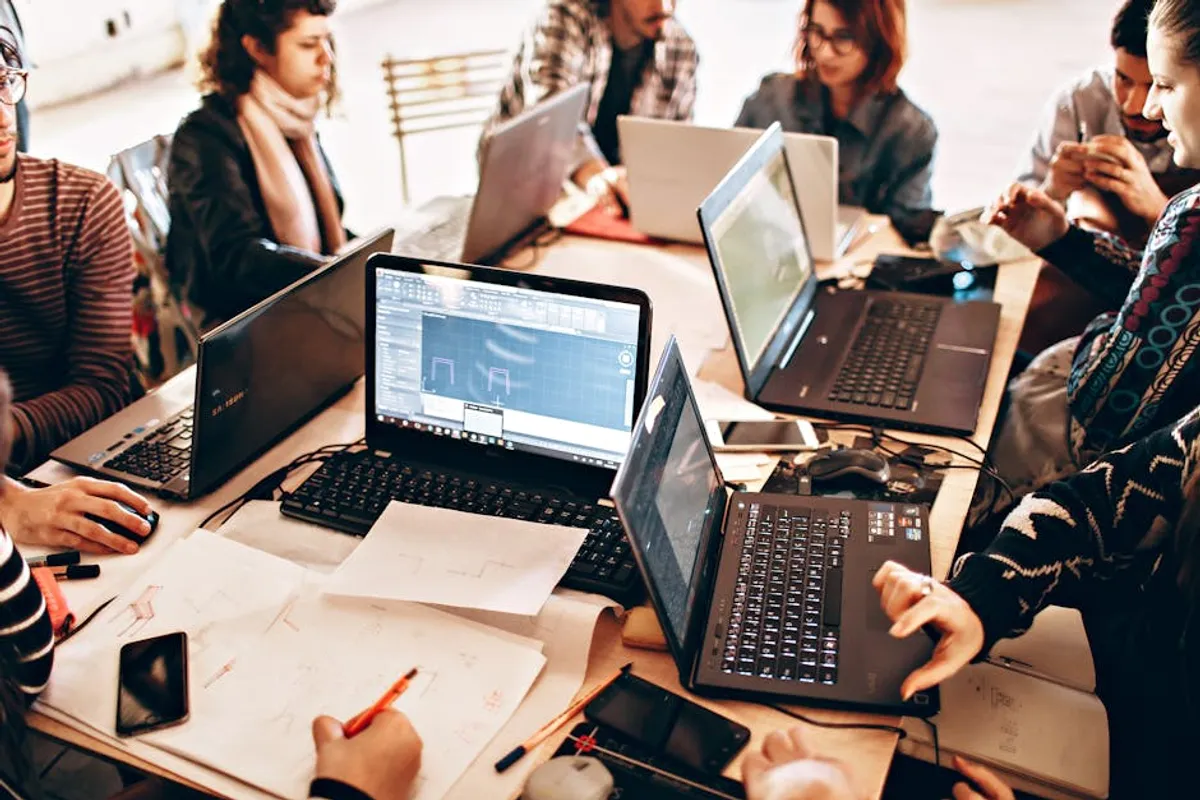
Prospective international students considering Korea face a distinct blend of academic rigor, cultural immersion, and practical adjustments. Understanding these facets upfront is critical for successful integration and a productive experience. This overview details the expected realities of student life, from the academic environment and living costs to social dynamics and daily routines, providing a framework for those planning their move or analyzing this demographic for content and market insights.
Academic Environment and Campus Culture
Korean universities operate with a structured academic calendar, typically two semesters from March to June and September to December. The educational approach emphasizes discipline, group projects, and often, a competitive atmosphere. Attendance is strictly monitored, and participation in class discussions, while valued, often follows a more formal protocol than in some Western institutions.
Campuses are generally well-equipped, featuring modern libraries, study spaces, and recreational facilities. University clubs (동아리, dongari) are central to student life, offering avenues for social integration and skill development, ranging from sports and arts to academic societies and volunteer groups. Joining a dongari is a primary method for meeting local students and practicing Korean.
Navigating Academic Rigor and Expectations
The academic environment can be demanding, with significant emphasis on midterms, finals, and group presentations. Plagiarism is taken seriously, and academic integrity is highly valued. Students often dedicate long hours to studying, sometimes utilizing university study rooms or local study cafes (스터디 카페, seuteodi kaepe) late into the evening. Understanding the hierarchy within academic settings, such as respecting professors and senior students, is a fundamental cultural nuance.
Cost of Living and Financial Planning
The cost of living in Korea, particularly in major cities like Seoul, can be substantial but varies widely based on lifestyle and accommodation choices. Tuition fees for international students can range from approximately ₩3,000,000 to ₩6,000,000 per semester for undergraduate programs, with graduate programs often higher. Scholarship opportunities are available through universities, the Korean government, and various foundations, which can significantly offset these costs.
Budgeting for Essentials
Monthly expenses, excluding tuition, typically fall within the range of ₩800,000 to ₩1,500,000. This includes:
- Accommodation: ₩300,000 - ₩700,000 (depending on type and location)
- Food: ₩300,000 - ₩500,000 (home cooking versus dining out)
- Transportation: ₩50,000 - ₩100,000 (public transport, T-Money card)
- Utilities & Internet: ₩50,000 - ₩100,000
- Personal Expenses & Entertainment: ₩100,000 - ₩300,000
Pro Tip: Many local restaurants offer student-friendly prices, especially near university campuses. Utilizing campus cafeterias can also significantly reduce food costs.
Cultural Immersion and Social Dynamics
Korean society emphasizes collective harmony, respect for elders, and social etiquette. International students will encounter a culture where group activities are prevalent, from dining out with classmates to participating in university events. Building social connections often involves shared meals and outings, and contributing to the group dynamic is important.
Building Social Connections
Beyond university clubs, language exchange programs (언어 교환, eoneo gyohwan) are popular for meeting both local Koreans and other international students. Mobile messenger apps like KakaoTalk are essential for daily communication and group coordination. Understanding basic Korean phrases and demonstrating an effort to learn the language is highly appreciated and facilitates deeper cultural engagement.
Warning: International students on D-2 or D-4 visas typically have restrictions on part-time employment. Students must obtain permission from their university and immigration office before working, and there are limits on working hours. Engaging in unauthorized work can lead to fines or visa complications.
Accommodation Options
Several types of housing are available to international students, each with distinct features:
- University Dormitories (기숙사, gisuksa): Often the most affordable and convenient option, located on or near campus. They provide a structured environment and include basic amenities. However, they may have curfews and strict rules.
- Goshiwon (고시원) / Gositel (고시텔): Small, single rooms typically furnished with a bed, desk, and mini-fridge. Bathrooms and kitchens are usually shared. These are budget-friendly and do not require a large deposit, making them suitable for short-term stays or students on a tight budget.
- Officetel (오피스텔): Studio apartments that combine office and residential spaces. They are more expensive but offer greater privacy and amenities like private bathrooms and kitchenettes. A significant security deposit (보증금, bojeunggeum) is usually required.
- Hasukjip (하숙집): A form of boarding house where students rent a room and often receive home-cooked meals (usually breakfast and dinner) from the landlord. This offers a more immersive cultural experience and a sense of family.
Transportation and Connectivity
Korea boasts an efficient and extensive public transportation network, particularly in urban areas. Subways and buses are reliable, affordable, and easy to navigate with a T-Money card. Google Maps may not offer full public transport directions due to data restrictions; local apps like KakaoMap or Naver Map are more accurate for navigation. High-speed internet and mobile connectivity are ubiquitous, with competitive plans available from major carriers.
Food, Dining, and Daily Life
Korean cuisine is diverse, with options ranging from street food and casual eateries to traditional restaurants. Many meals are communal, featuring shared dishes. Convenience stores (편의점, pyeonuijeom) are plentiful and offer a wide array of snacks, drinks, and ready-to-eat meals, serving as a convenient option for quick bites and daily necessities. Daily life often involves frequent use of public spaces, from cafes and PC bangs (PC방) to parks and shopping districts.
Preparing for Your Korean Student Journey
A successful student experience in Korea hinges on thorough preparation and an open mindset. Researching your chosen university's specific programs and student support services, understanding visa requirements, and beginning basic Korean language studies are foundational steps. Embrace the cultural differences, leverage university resources, and actively seek opportunities for social engagement to maximize your time in this dynamic environment.
Frequently Asked Questions
Is it necessary to learn Korean before studying in Korea?
While many universities offer courses in English, learning basic Korean is highly recommended for daily life, navigating public transport, ordering food, and building social connections outside of an English-speaking bubble. Many programs also include Korean language classes as part of the curriculum.
What are the typical working hours for international students?
International students on D-2 (study) or D-4 (language training) visas are generally permitted to work part-time, typically up to 20 hours per week during semesters and unlimited hours during vacation periods, after obtaining permission from both their university and the immigration office. Specific rules can vary by visa type and academic progress.
How can I deal with culture shock?
Culture shock is a common experience. Maintain an open mind, be patient with yourself and others, and seek support from your university's international student office, student clubs, or other international students. Engaging in local activities and attempting to understand cultural nuances can also help in adjusting.
Is Korea a safe country for international students?
Korea is generally considered a very safe country with low crime rates. Public spaces are well-lit, and public transportation operates efficiently late into the night. However, standard precautions for personal safety should always be observed.