The transition from secondary-source coursework to primary-source archive work was the most significant intellectual transition I made in my undergraduate history programme. The transition involves specific difficulties that the standard coursework does not really prepare you for. I am documenting the difficulties because I would have benefited from knowing about them earlier and because other students might benefit from knowing about them now.
The pace of archive work is much slower than coursework pace
The first difficulty is pace. Coursework reading proceeds at a manageable pace because the material has been pre-digested by historians who selected what to include and how to organise it. Primary-source archive work proceeds at a much slower pace because every page requires interpretation that the secondary sources have already done.
The slower pace is uncomfortable when you are accustomed to processing many pages per hour through coursework reading. A productive afternoon in the archives might involve a small number of pages that you have actually understood. Comparing this to coursework reading rates produces feelings of inefficiency that are misleading because the operations are not comparable.
What actually matters in archive work is the quality of engagement with each page rather than the page count. Adjusting expectations to this reality takes time. The early period of archive work usually feels frustratingly slow even when the work is going well.
The interpretive demands are different from coursework demands
Coursework engages you with arguments that have been constructed by historians and that you can evaluate through the categories and methods the course has provided. Archive work engages you with materials that have not been pre-interpreted and that require you to construct interpretations through methods you are still developing.
The interpretive demands include making sense of materials whose original context you cannot fully reconstruct, recognising what the materials do not say as well as what they do say, situating individual materials within broader patterns that may not be visible from any single document, and being honest about the limits of what the available materials actually support.
These demands develop with practice but cannot be developed except through practice. The early period of archive work involves constant uncertainty about whether your interpretations are reasonable. The uncertainty does not fully resolve even with extended practice but does become more manageable as your interpretive intuitions develop.
The documentary languages are often unfamiliar
Korean historical archives involve documentary languages that are substantially different from contemporary Korean. The differences include vocabulary that is no longer in use, syntactic patterns that have changed, character usage that requires familiarity with classical Chinese, and various other linguistic features that contemporary Korean education does not fully prepare you for.
The difficulty of reading historical Korean documents at the speed required for productive archive work is significant. The development of reading capability requires sustained practice that takes years rather than months. The early period of archive work often involves reading at a fraction of the speed that is comfortable for contemporary Korean.
The reading capability development is part of what undergraduate history programmes are supposed to support but often supports only partially. Students who want to do serious archive work typically need to invest additional effort beyond what the programme requires. The investment is worthwhile but is substantial.
The materials are often physically difficult to work with
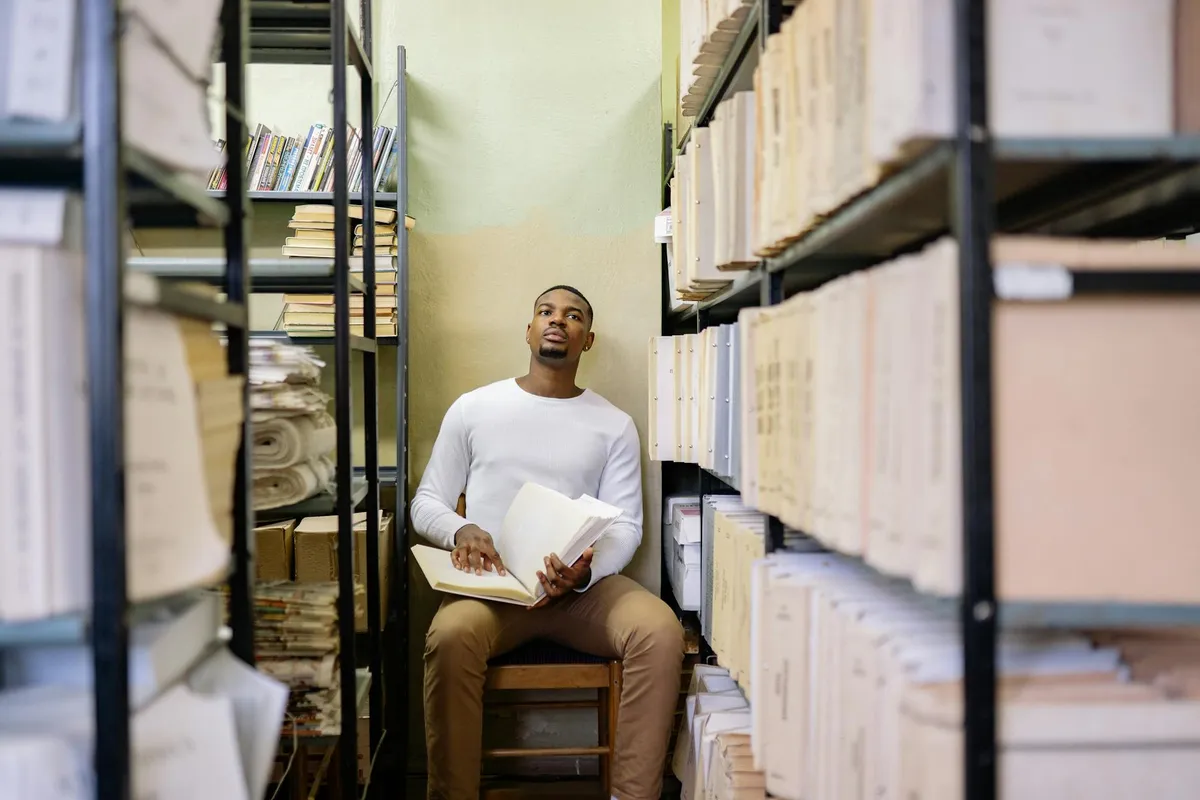
Many historical archives include materials that are physically difficult to work with. Documents in poor condition that require careful handling. Unfamiliar formats that are different from modern paper documents. Materials that have been microfilmed in ways that produce visibility problems. Various physical challenges that affect what work can actually be accomplished.
The physical difficulty is rarely discussed in coursework but is a real component of archive work. Students often have unrealistic expectations about how easily materials can be read and processed. The actual experience involves substantial time spent on the physical mechanics of working with the materials in addition to the interpretive work itself.
The institutional access is often complicated
Different archives have different access policies, different operating hours, different rules about what materials can be photographed or copied, different requirements for reader registration, and various other institutional procedures that affect what work can actually be done.
The access complications are not catastrophic but are non-trivial. Productive archive work requires understanding the specific procedures of the specific archives you are using. The understanding develops through experience but the early period involves false starts and inefficiency that more experienced researchers do not face.
For undergraduate students with limited time budgets, the access complications can consume disproportionate effort. The investment in learning the access procedures is necessary but reduces the time available for the actual archive work.
The supervision is often less than you would like
Undergraduate students typically receive less supervision for archive work than the work would benefit from. Faculty time is limited. Most faculty research priorities involve their own scholarly work rather than supervision of undergraduate research at the depth that archive work requires.
The limited supervision means that undergraduate archive work often proceeds with significant uncertainty about whether the work is being done well. Students develop their own interpretive practices through trial and error rather than through systematic guidance. The interpretive practices are sometimes good and sometimes problematic, and the limited supervision makes it harder to identify which is which.
Better supervision would improve the work but is not realistic to expect from most undergraduate programmes. Students who want serious supervision typically have to actively cultivate relationships with specific faculty members and to make their requests for supervision specific and minimal enough to be feasible for the faculty member to provide.
The individual project work is isolating
Archive work is typically individual work. The student spends significant time alone with materials, working through interpretations alone, and reaching conclusions that may or may not be shared with others. The isolation is part of what archive work involves.
The isolation is uncomfortable for students who are accustomed to the more social character of standard coursework. The discomfort can produce premature abandonment of projects that would have been productive if sustained.
Building social structures around archive work — study groups with other students doing similar work, regular meetings with supervisors, online communities of students working on related topics — helps reduce the isolation. The structures take effort to build but improve the experience and the work outcomes.
The work output is often invisible to others
Archive work produces output that is often invisible to other people in the student's life. The hours spent reading documents, the interpretations developed, the questions explored — these are not visible to friends, family, or even to faculty unless specific effort is made to share them.
The invisibility makes archive work less rewarding socially than work that produces more visible output. Students who depend on social validation of their work for motivation often struggle with archive work because the social validation is not available.
Sustainable archive work requires developing motivation that does not depend on social validation. The motivation has to come from genuine interest in the questions being investigated and from the satisfaction of the interpretive work itself rather than from external recognition. Students who can develop this kind of motivation can sustain archive work; students who cannot typically struggle.
The work's payoff is often delayed
Archive work's eventual payoff in terms of analytical understanding, contribution to the field, or career outcomes is typically delayed by years rather than producing immediate results. The student doing archive work today will see the payoff at some point in the future but not immediately.
The delayed payoff is uncomfortable for students who are accustomed to the more immediate feedback of standard coursework. Test scores, course grades, and various other quick feedback signals are largely absent from archive work. The quick feedback that does come from archive work is often negative — interpretations that turn out not to work, materials that do not contain what you hoped they would, hypotheses that do not survive engagement with the evidence.
Sustaining work with delayed payoff requires patience that is not always available. The patience develops with practice but is not automatic.
What helps with the difficulties
Despite the difficulties, sustained archive work is possible for undergraduates and produces understanding that no other approach to history can produce. Several things help with the difficulties.
Realistic expectations about pace and difficulty. Knowing that the work is supposed to be slow and that interpretations are supposed to be uncertain reduces the anxiety that comes from comparing archive work to coursework speed.
Sustained engagement with one or two specific topics rather than dispersed engagement with many topics. The depth that comes from sustained engagement compounds in ways that dispersed engagement does not produce.
Active cultivation of supervision relationships even when supervision is not formally provided. Faculty members are often willing to provide informal supervision when students make specific limited requests rather than open-ended requests.
Building social structures around the work. Study groups, online communities, peer relationships with other students doing similar work all help reduce the isolation that archive work involves.
Developing motivation that does not depend on external validation. The work itself has to be the source of satisfaction. Students who can develop this orientation can sustain the work; students who cannot typically struggle.
Being honest about what the work is producing. Some archive work projects develop into substantial contributions. Others reach dead ends. Being honest about which is which supports better decisions about what to continue and what to set aside.
What I would tell my earlier self
If I could send a message back to myself starting archive work two years ago, I would say several things.
The work is harder than the coursework was preparing you for. The difficulty is normal and is not a sign that you are doing it wrong.
The pace is supposed to be slow. Slow pace with quality engagement is more valuable than fast pace with shallow engagement.
The interpretations are supposed to be uncertain. Uncertainty is a feature of working at the edge of what the materials can support, not a sign of inadequate analysis.
The reading capability for historical documents will develop slowly over time. Be patient with the development.
Build social structures around the work. The isolation of archive work is harder than you expect.
Develop motivation from the work itself rather than from external validation. The validation will be limited.
Be patient with the delayed payoff. The work is producing value that will become visible later even when it is not visible now.
The archive work I have done across the past two years has been the most rewarding intellectual work I have done in my undergraduate programme. The difficulties described above are real but the rewards are also real and are larger than the difficulties. For other undergraduates considering serious archive work, the work is worth doing even though it is harder than the standard coursework prepares you for. The difficulties are manageable when you know what to expect and have realistic strategies for navigating them.