
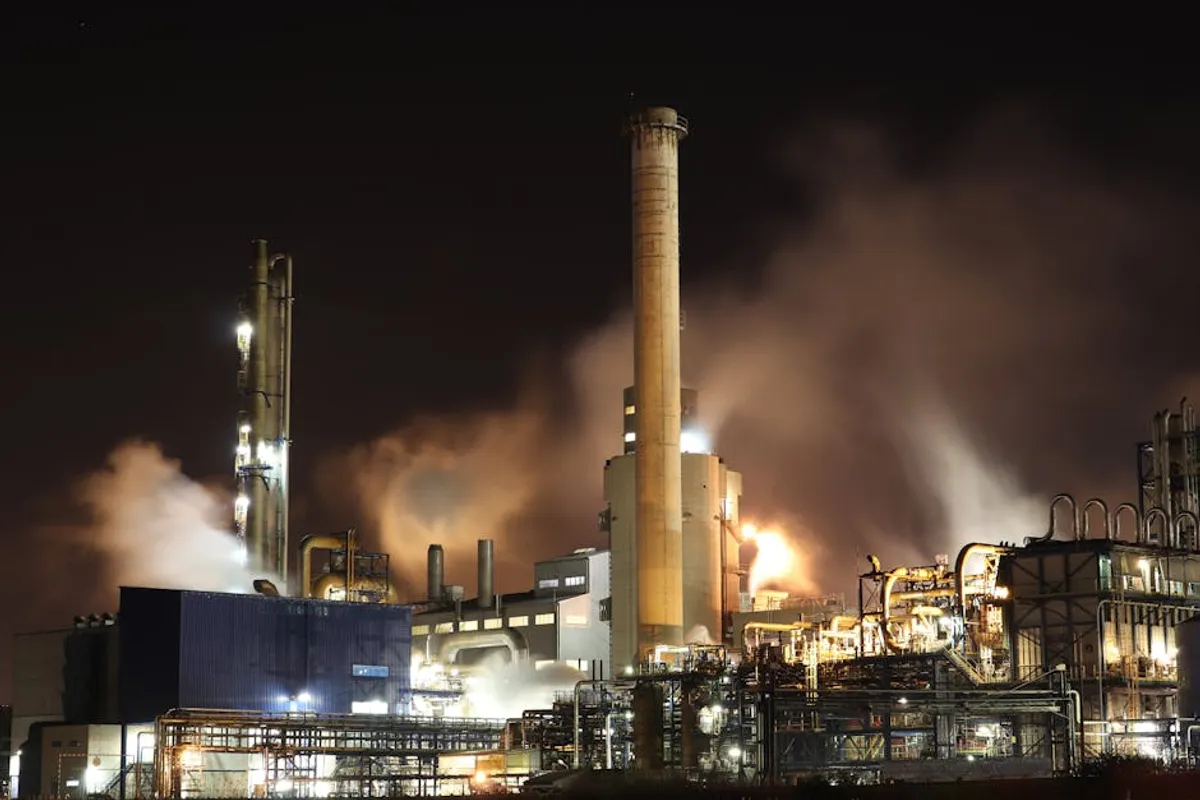
Pollution control represents a critical operational and strategic imperative for any business operating today. Beyond mere regulatory compliance, effective pollution control directly influences a company’s financial stability, market reputation, and long-term viability. Understanding its core principles, available technologies, and implementation strategies is no longer optional; it is fundamental to mitigating environmental impact while simultaneously enhancing efficiency and stakeholder trust. This guide details the essential components of pollution control, offering a clear framework for businesses to navigate environmental responsibilities and integrate sustainable practices into their operations.
Understanding Pollution Control: Core Concepts and Objectives
At its foundation, pollution control encompasses the methods and technologies employed to reduce or eliminate the release of harmful substances and energies into the environment. This includes managing emissions, discharges, and waste across various media, from air and water to soil and noise.
Defining Pollution and Its Impact
Pollution refers to the introduction of contaminants into the natural environment that cause adverse change. These contaminants can be chemical substances, energy (such as noise, heat, or light), or even biological organisms. For businesses, the impact of pollution extends beyond environmental damage, creating significant operational and financial liabilities. Uncontrolled pollution can lead to:
- Regulatory fines and legal penalties for non-compliance.
- Reputational damage, eroding customer loyalty and investor confidence.
- Operational disruptions due to resource scarcity or damaged infrastructure.
- Increased costs for cleanup, remediation, and waste disposal.
- Health and safety risks for employees and surrounding communities.
The Aims of Effective Control
Implementing robust pollution control measures serves multiple strategic objectives for businesses:
Compliance and Risk Mitigation: Adhering to local, national, and international environmental regulations is paramount. Effective control minimizes the risk of legal action, penalties, and operational shutdowns. It also proactively addresses potential environmental liabilities that could impact financial performance.
Resource Efficiency: Many pollution control strategies are inherently linked to resource efficiency. Reducing waste, optimizing material use, and conserving energy not only lessens environmental impact but also translates directly into cost savings through lower input costs and reduced waste disposal fees.
Brand Reputation and Stakeholder Trust: Businesses demonstrating a genuine commitment to environmental stewardship often see enhanced brand perception. This can attract environmentally conscious consumers, investors, and top talent, fostering stronger relationships with communities and regulatory bodies.
Innovation and Competitive Advantage: Developing and adopting cleaner production technologies can open new market opportunities, differentiate products, and provide a competitive edge in an increasingly sustainability-focused economy.
Key Types and Examples of Pollution Control Strategies
Pollution control strategies are tailored to the specific type of pollutant and the medium it affects.
Air Pollution Control
Air pollution control focuses on reducing emissions of particulate matter, volatile organic compounds (VOCs), sulfur oxides (SOx), nitrogen oxides (NOx), and other harmful gases. Key methods include:
- Scrubbers: Devices that remove pollutants from exhaust gas streams by spraying liquid (often water or chemical solutions) into the gas.
- Electrostatic Precipitators (ESPs): Use an electric field to charge particulate matter, which is then collected on charged plates.
- Catalytic Converters: Chemical reactors used in vehicle exhaust systems and industrial processes to convert toxic pollutants into less harmful substances.
- Fuel Switching: Replacing high-polluting fuels (e.g., coal) with cleaner alternatives (e.g., natural gas, renewables).
- Process Optimization: Modifying industrial processes to reduce the formation of pollutants at the source, such as improving combustion efficiency.
Water Pollution Control
Water pollution control aims to treat industrial effluents, municipal wastewater, and agricultural runoff before discharge into natural water bodies. Common approaches include:
- Wastewater Treatment Plants: Employ primary (physical removal), secondary (biological degradation), and tertiary (advanced filtration, disinfection) processes to purify water.
- Filtration: Physical removal of suspended solids and other contaminants using various filter media.
- Chemical Precipitation: Adding chemicals to cause dissolved pollutants to form solid particles that can then be removed.
- Biological Treatment: Utilizing microorganisms to break down organic pollutants in wastewater.
- Constructed Wetlands: Engineered systems that mimic natural wetlands to treat wastewater using plants, soil, and microbial activity.
Soil and Land Pollution Control
Addressing soil and land pollution involves preventing contamination and remediating already polluted sites. Strategies include:
- Waste Segregation and Management: Separating hazardous from non-hazardous waste and ensuring proper disposal in secure landfills or through specialized treatment facilities.
- Bioremediation: Using microorganisms to degrade or detoxify contaminants in soil.
- Phytoremediation: Employing plants to extract, sequester, or degrade pollutants from soil.
- Containment: Using physical barriers (e.g., slurry walls, caps) to prevent the spread of contaminants.
- Responsible Chemical Handling: Implementing strict protocols for the storage, use, and disposal of chemicals to prevent spills and leaks.
Noise and Other Pollution Controls
Beyond traditional air, water, and soil, businesses also manage other forms of pollution:
- Noise Pollution: Implementing acoustic barriers, soundproofing machinery, using quieter equipment, and optimizing operational schedules to minimize noise impact on surrounding areas.
- Light Pollution: Using shielded light fixtures, reducing excessive illumination, and optimizing lighting schedules to minimize skyglow and light trespass.
- Thermal Pollution: Cooling industrial discharge water before releasing it into natural bodies to prevent adverse impacts on aquatic ecosystems.
Implementing a Pollution Control Guide for Businesses
An effective pollution control program is systematic and integrated into overall business operations.
Assessment and Planning
The first step involves a comprehensive understanding of a business's environmental footprint. This includes:
- Environmental Impact Assessments (EIAs): Formal processes to predict the environmental consequences of a proposed project or development.
- Baseline Studies: Quantifying current emissions, discharges, and waste generation.
- Regulatory Mapping: Identifying all applicable environmental laws, permits, and standards.
- Target Setting: Establishing measurable goals for pollution reduction, resource efficiency, and compliance.
- Developing an Environmental Management System (EMS): A structured framework (e.g., ISO 14001) for managing an organization's environmental impacts.
Pro Tip: Proactive environmental management is significantly more cost-effective than reactive cleanup. Investing in pollution prevention at the design stage of processes or facilities can yield substantial long-term savings and avoid costly regulatory penalties.
Technology Adoption and Process Optimization
Businesses must continually evaluate and adopt cleaner technologies and optimize existing processes:
- Cleaner Production Technologies: Investing in equipment that inherently produces less waste or fewer emissions, such as solvent-free cleaning systems or energy-efficient machinery.
- Resource Recovery and Recycling: Implementing systems to recover valuable materials from waste streams or recycle water within processes.
- Supply Chain Integration: Working with suppliers to source raw materials with lower environmental footprints and requiring them to meet specific environmental standards.
- Energy Efficiency: Reducing energy consumption through insulation, efficient lighting, and optimized HVAC systems, which indirectly reduces emissions from power generation.
Monitoring, Reporting, and Compliance
Sustained pollution control requires ongoing vigilance:
- Continuous Monitoring: Installing sensors and systems to track emissions, discharges, and waste generation in real-time.
- Regular Audits: Conducting internal and external audits to assess compliance, identify areas for improvement, and verify performance against targets.
- Transparent Reporting: Communicating environmental performance to stakeholders through sustainability reports, demonstrating accountability and progress.
- Staying Abreast of Regulations: Environmental laws evolve. Businesses must have mechanisms in place to track changes and adapt their practices accordingly.
The Commercial Imperative of Pollution Control
Beyond environmental stewardship, pollution control offers tangible commercial benefits:
- Cost Reduction: Less waste means lower raw material costs, reduced energy consumption, and decreased waste disposal fees.
- Enhanced Market Access: Many jurisdictions and major corporate buyers now require suppliers to meet specific environmental standards, opening new markets for compliant businesses.
- Competitive Differentiation: A strong environmental record can be a key differentiator, attracting environmentally conscious consumers and investors.
- Reduced Insurance Premiums: Companies with robust environmental management systems may qualify for lower insurance rates due to reduced risk profiles.
- Improved Investor Relations: Environmental, Social, and Governance (ESG) performance is a growing factor for investors, making effective pollution control a positive signal for capital attraction.
Practical Steps for Proactive Environmental Management
Integrating pollution control into core business strategy requires a commitment to continuous improvement. Start by conducting a thorough environmental audit to identify significant impacts and regulatory gaps. Develop clear, measurable targets for reduction and implement an EMS to formalize processes. Prioritize source reduction and process optimization over end-of-pipe treatment where possible, as this often yields greater efficiency and cost savings. Regularly train staff on environmental protocols and foster a culture of environmental responsibility throughout the organization. Finally, maintain transparent communication with all stakeholders regarding environmental performance and progress.
Frequently Asked Questions About Pollution Control
What is the primary goal of pollution control?
The primary goal of pollution control is to minimize the release of harmful substances and energies into the environment, thereby protecting ecosystems, human health, and natural resources, while also ensuring regulatory compliance and promoting sustainable business practices.
How do regulations impact pollution control efforts?
Regulations establish the legal framework, standards, and limits for emissions, discharges, and waste management. They mandate specific pollution control technologies, monitoring requirements, and reporting obligations, compelling businesses to adopt measures to avoid penalties and legal liabilities.
Can small businesses implement effective pollution control?
Yes, small businesses can implement effective pollution control by focusing on practical, scalable measures such as waste reduction, energy efficiency, proper chemical handling, and adherence to local environmental guidelines. Many local agencies offer resources and support for small business compliance.
What is source reduction in pollution control?
Source reduction, also known as pollution prevention, involves reducing the amount of waste or pollutants generated at the source, before they enter a waste stream or are emitted into the environment. Examples include using less toxic materials, optimizing production processes, and designing products for durability and recyclability.