
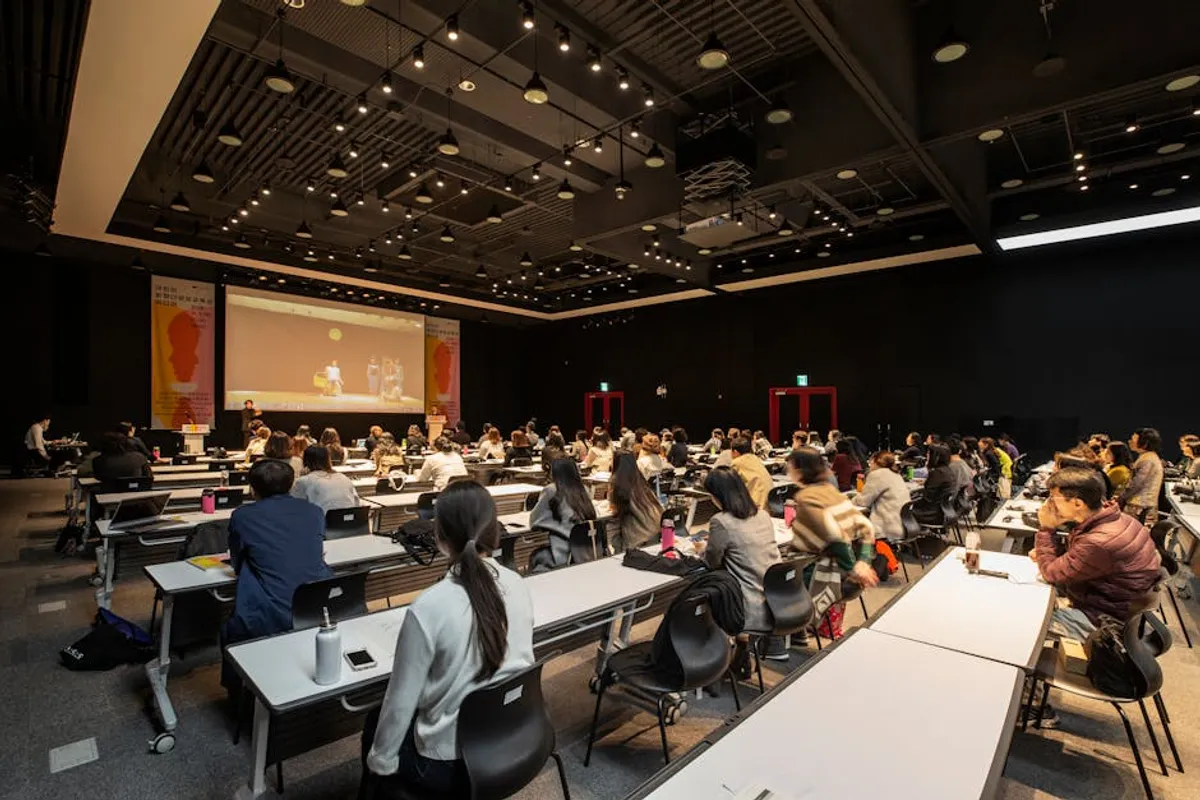
Navigating the content landscape for Korean universities presents a distinct opportunity for publishers and marketers. This niche, encompassing both dynamic news updates and the intricate details of campus life, caters to a diverse audience: prospective students (domestic and international), current students, parents, faculty, and even alumni. Establishing authority and utility in this space requires a targeted content strategy, meticulous research, and an understanding of the specific information needs prevalent within the Korean academic ecosystem. The commercial value lies in attracting highly engaged audiences with specific interests, opening avenues for targeted advertising, educational partnerships, and direct lead generation for related services.
Understanding the Korean University Content Niche
The Korean university sector is highly competitive and culturally distinct, driving intense demand for accurate and timely information. Content in this area must address both the academic rigor and the unique social aspects of university life in Korea. Publishers need to consider the specific search queries and informational gaps that prospective and current students face, ranging from admission procedures and scholarship opportunities to dormitory living, club activities, and local area guides.
Identifying Core Audiences and Their Information Needs
Effective content begins with a clear understanding of who you are speaking to and what problems you are solving for them. For Korean university content, primary audience segments include:
- Prospective International Students: Seek details on application processes, visa requirements, tuition fees, English-taught programs, and cultural adjustment tips.
- Prospective Domestic Students: Focus on entrance exam details, university rankings, specific department strengths, and career prospects post-graduation.
- Current Students: Look for campus news, event schedules, academic support services, local amenities, part-time job opportunities, and social activities.
- Parents: Primarily concerned with safety, cost of living, academic support, and post-graduation employment rates.
Each segment requires tailored content, distinct keyword targeting, and appropriate distribution channels.
Content Pillars: News, Campus Life, and Beyond
To build a comprehensive resource, content should be structured around key pillars:
- University News: Admissions announcements, scholarship updates, research breakthroughs, faculty achievements, campus development, and official university statements. Timeliness and accuracy are paramount.
- Campus Life Guides: Practical information on housing (dormitories vs. off-campus), dining options, transportation, student organizations, health services, banking, and local entertainment.
- Academic Resources: Course catalogs, library access, tutoring services, career counseling, and study abroad programs.
- Cultural Integration: Tips for navigating Korean social customs, language learning resources, and understanding local etiquette.
- City & Regional Guides: Information about the specific city or district where the university is located, including attractions, local businesses, and community events.
Crafting Engaging News Content
News content in this niche demands journalistic integrity and rapid publication. The goal is to be a primary, trusted source for developments impacting the university community.
Sourcing and Verifying Information
Reliable news hinges on credible sources. Establish direct relationships with university press offices, student councils, and relevant administrative departments. Monitor official university websites, social media channels, and government education portals. Cross-referencing information from multiple sources is crucial to maintain accuracy and build trust with your audience. For example, an announcement about a new scholarship program should ideally be verified against the university's official financial aid page or a direct statement from the admissions office.
Localizing for Relevance
Beyond language translation, localization involves cultural adaptation. News about a campus festival might require explaining its traditional significance. Details about academic policy changes should consider the implications for both domestic and international students. Using culturally appropriate imagery and understanding local sensitivities will enhance engagement.
Developing Comprehensive Campus Life Guides
Campus life content offers the opportunity for evergreen, detailed resources that address common student pain points and curiosities.
Practical Information for Students
These guides should be actionable and exhaustive. Examples include step-by-step instructions for applying for a student ID, navigating the campus health center, or setting up a local bank account. Information on local transportation, grocery stores, and emergency services provides tangible value. Regular updates are necessary, as practical details like bus routes or opening hours can change.
Pro Tip: When developing campus life guides, integrate user-generated content or student testimonials where appropriate. First-hand accounts of navigating dormitory life or joining a student club add authenticity and relatability, significantly boosting the content's perceived value for prospective students.
Cultural Nuances and Social Integration
For international students especially, understanding Korean social norms is vital. Content covering topics like dining etiquette, respectful communication with professors, or participating in university "MT" (membership training) trips can prevent misunderstandings and foster smoother integration. This type of content builds a supportive community around your platform.
SEO and Content Strategy for Visibility
Visibility in search engines is critical for reaching your target audience. A robust SEO strategy ensures your valuable content is discoverable.
Keyword Research for Korean University Topics
Focus on long-tail keywords that reflect specific informational needs. Examples include "how to apply to Seoul National University as an international student," "cost of living in Yonsei University dormitory," or "best part-time jobs for students in Busan." Utilize tools to identify keywords with high search volume and low competition, paying attention to both English and Korean search terms if targeting a bilingual audience. Analyze competitor content to identify gaps and opportunities.
Structuring Content for Search Engines
Employ clear hierarchical headings (H2, H3) to organize information logically. Use internal linking to connect related articles, building topical authority. Optimize meta titles and descriptions with relevant keywords and compelling calls to action. Implement schema markup for FAQs, events, or organization details to enhance rich snippet visibility in SERPs.
Building Authority and Trust
High-quality, well-researched content naturally attracts backlinks from other reputable educational sites, forums, and student communities. Actively seek partnerships with student organizations or relevant educational consultants to co-create content or cross-promote. Consistent publication of accurate information establishes your platform as an authoritative source.
Monetization and Engagement Opportunities
Monetizing this niche requires a strategic approach that aligns with the audience's needs and maintains content integrity.
Direct Advertising and Partnerships
Targeted advertising from education service providers (e.g., language schools, visa consultants, test prep centers), local businesses (e.g., restaurants, cafes, accommodation providers), and even university departments can be highly effective. Consider sponsored content opportunities that provide genuine value to your audience, such as a sponsored guide to student banking services or a profile of a specific university program.
Affiliate Models and Service Referrals
Implement affiliate links for products or services relevant to students, such as travel insurance, flight booking sites, or specific academic software. Partner with local real estate agents specializing in student housing or career placement agencies. Transparency about affiliate relationships is crucial for maintaining trust.
Optimizing Your Korean University Content Platform
To sustain and grow your platform, continuously monitor content performance, audience engagement metrics, and search engine rankings. Regularly update existing content to ensure accuracy and relevance, especially for time-sensitive information like admission deadlines or scholarship availability. Solicit feedback from your audience to identify new content opportunities and refine existing guides. Focus on building a community around your content, fostering discussions, and becoming an indispensable resource for anyone navigating the Korean university experience.
FAQ
Q: What is the most crucial factor for success in this niche?
A: Accuracy and timeliness of information are paramount; misinformation can quickly erode trust and authority.
Q: Should content be published in both English and Korean?
A: Yes, if targeting both international and domestic students, bilingual content significantly expands reach and utility.
Q: How frequently should news content be updated?
A: News content should be updated as frequently as new information becomes available, aiming for daily or weekly updates during peak periods like admissions seasons.