
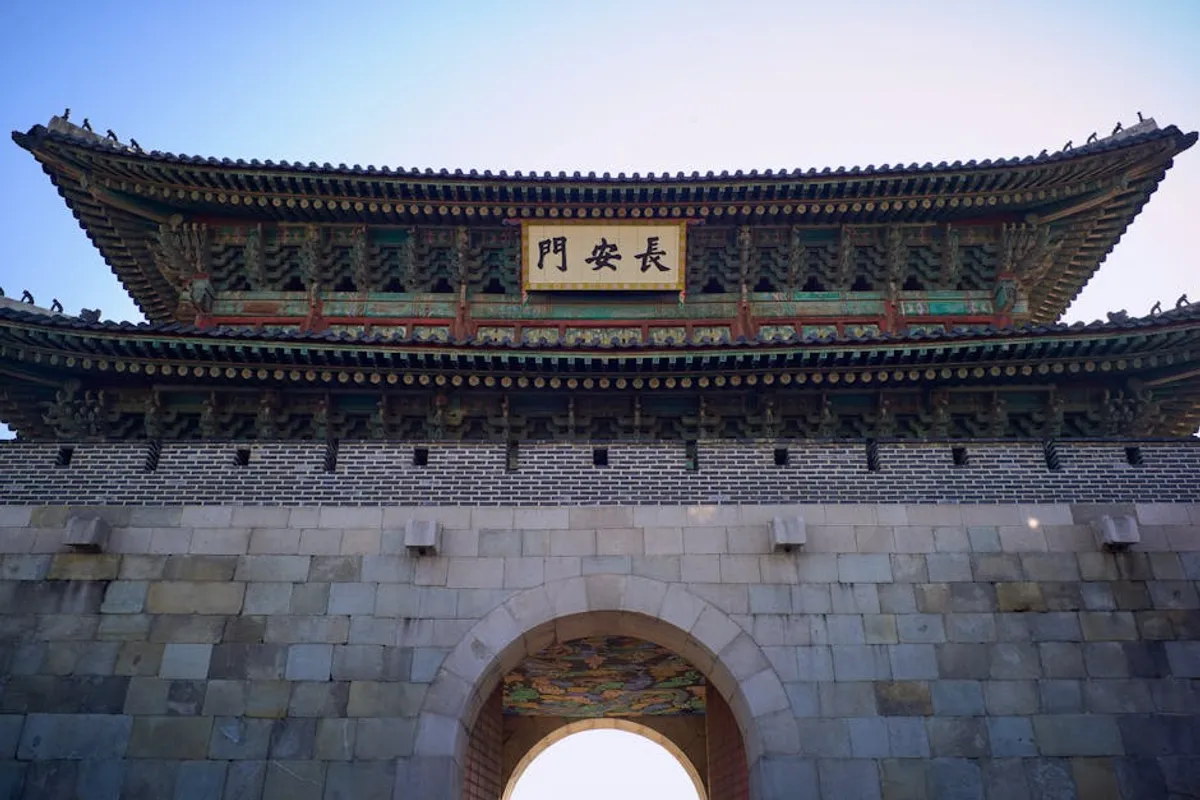
Understanding the historical narrative of Korea offers more than academic insight; it provides critical context for market entry, content localization, and culturally sensitive communication. For businesses and content strategists targeting Korean audiences, a foundational grasp of the nation's timeline helps decode consumer behaviors, interpret geopolitical nuances, and craft messaging that resonates authentically. This overview distills key periods, highlighting their lasting impact on contemporary Korean society and commercial landscapes.
Early Foundations and Dynastic Eras
Korea's history is characterized by long dynastic periods, each contributing distinct cultural and political legacies. These eras established core societal structures and cultural values that persist today.
Gojoseon and the Proto-Three Kingdoms (c. 2333 BCE – 57 BCE)
The legendary founding of Gojoseon marks the earliest recorded state on the Korean peninsula. While archaeological evidence places its emergence later, this period established foundational myths and early political organization. The subsequent Proto-Three Kingdoms era saw the rise of numerous small tribal states, setting the stage for more centralized kingdoms. For marketers, this deep historical root influences national identity and pride, often subtly referenced in traditional art and design.
The Three Kingdoms Period (57 BCE – 668 CE)
This era saw the dominance of three rival kingdoms: Goguryeo, Baekje, and Silla. Each developed unique cultural, technological, and political systems. Goguryeo, known for its military prowess and vast territory, influenced northern Asian cultures. Baekje fostered strong ties with Japan, transmitting continental culture. Silla, ultimately unifying the peninsula, absorbed and synthesized elements from both, laying the groundwork for a distinct Korean identity. Understanding the distinct characteristics of these kingdoms can inform regional marketing strategies or historical content angles.
Unified Silla and Balhae (668 CE – 935 CE)
Silla's unification brought a golden age of Buddhist art, scholarship, and cultural refinement. Simultaneously, the kingdom of Balhae emerged in the north, claiming Goguryeo's legacy and maintaining a distinct cultural sphere. This "North-South States Period" solidified many cultural norms, including a strong emphasis on scholarship and aristocratic structures. Content focusing on traditional Korean aesthetics or philosophical underpinnings often draws from this rich period.
Goryeo Dynasty (918 CE – 1392 CE)
The Goryeo Dynasty succeeded Unified Silla, establishing a new capital at Gaeseong. This period saw the flourishing of Buddhism, the invention of movable metal type printing, and the creation of exquisite celadon pottery. Despite Mongol invasions in the 13th century, Goryeo maintained its cultural distinctiveness. The resilience shown during these invasions is a recurring theme in national narratives, influencing perceptions of strength and perseverance in branding.
Joseon Dynasty (1392 CE – 1897 CE)
Korea's longest dynasty, Joseon, was founded on Neo-Confucian principles, which deeply shaped social hierarchy, family values, and governance. King Sejong the Great's creation of Hangul (the Korean alphabet) in the 15th century was a pivotal moment, democratizing literacy. The Imjin War (Japanese invasions, 1592-1598) and subsequent Manchu invasions tested the dynasty's resilience. Joseon's emphasis on scholarship, etiquette, and family remains highly influential in modern Korean society, impacting everything from corporate culture to consumer decision-making. Marketers must understand these Confucian underpinnings to avoid missteps in messaging.
Modern Transformations and Contemporary Impact
The late 19th and 20th centuries brought profound changes, shaping the geopolitical and economic landscape of modern Korea.
Korean Empire and Japanese Colonial Period (1897 CE – 1945 CE)
The Joseon Dynasty transitioned into the Korean Empire as it attempted to modernize amidst increasing foreign influence. However, this period was short-lived, leading to Japan's annexation of Korea in 1910. The 35-year colonial rule was marked by exploitation, cultural suppression, and resistance movements. This era is a deeply sensitive topic, central to Korean national identity and its relationship with Japan. Any historical references in content or marketing must be handled with extreme care and accuracy to avoid causing offense or misinterpretation.
Division and the Korean War (1945 CE – 1953 CE)
Following Japan's defeat in WWII, Korea was divided into Soviet and American occupation zones, leading to the establishment of North and South Korea in 1948. The Korean War (1950-1953) solidified this division, resulting in millions of casualties and widespread devastation. The ongoing division and the legacy of the war profoundly influence South Korea's security concerns, national psyche, and geopolitical outlook. Businesses operating in or analyzing the region must acknowledge this foundational tension.
Post-War Development and Economic Growth (1950s – Present)
South Korea transformed from an impoverished, war-torn nation into a global economic powerhouse and a vibrant democracy. This "Miracle on the Han River" involved rapid industrialization, technological innovation, and significant investment in education. This period fostered a strong work ethic, a drive for technological advancement, and a global outlook. Understanding this trajectory is crucial for appreciating South Korea's consumer market, its technological leadership, and its cultural exports (K-pop, K-drama).
Pro Tip: When developing content or marketing campaigns for Korean audiences, always cross-reference historical facts and cultural references with local experts. Even seemingly innocuous historical allusions can carry significant weight or unintended implications due to past political sensitivities or ongoing national narratives. Precision in historical context prevents misinterpretation and builds trust.
Leveraging Historical Context for Content and Marketing
A timeline of Korean history is not merely a chronological list; it's a framework for understanding contemporary culture, consumer values, and market dynamics. For SEO professionals and marketers, this historical knowledge translates into several actionable insights:
- Keyword Research Nuance: Historical terms, figures, and events often appear in search queries related to cultural products, tourism, and national identity. Incorporating these accurately can enhance content visibility for specific niches.
- Content Localization Depth: Beyond translation, localization benefits from cultural resonance. Historical references, when used appropriately, can make content feel more authentic and relevant to a Korean audience.
- Brand Storytelling: Brands can draw inspiration from historical narratives of resilience, innovation, or cultural richness to craft compelling stories that connect with Korean consumers on an emotional level.
- Avoiding Cultural Missteps: Awareness of sensitive periods (e.g., Japanese colonial rule, the Korean War) is critical to prevent alienating audiences or inadvertently causing offense. This extends to imagery, language, and partnerships.
- Market Trend Analysis: Understanding historical economic development helps interpret current market trends, consumer preferences (e.g., brand loyalty, technological adoption), and the competitive landscape.
Applying Historical Understanding to Your Strategy
Integrating a Korean history timeline into your content and marketing strategy requires careful consideration and respect for the cultural narrative. Begin by identifying which historical periods or events are most relevant to your specific product, service, or message. Consult with native speakers and cultural experts to ensure accuracy and appropriate tone. Use this historical framework not as a source for direct appropriation, but as a lens through which to better understand and engage with the Korean market, fostering deeper connections and more effective communication.
Frequently Asked Questions
Why is understanding Korean history important for business?
A grasp of Korean history provides crucial context for consumer behavior, cultural values, geopolitical sensitivities, and market dynamics, enabling more effective and respectful content localization and marketing strategies.
Which historical periods are most sensitive for content creation?
The Japanese Colonial Period (1910-1945) and the Korean War (1950-1953) are particularly sensitive due to their profound impact on national identity, historical grievances, and ongoing geopolitical divisions.
How does Joseon Dynasty influence modern Korean society?
The Joseon Dynasty's Neo-Confucian foundations continue to influence social hierarchies, family values, educational emphasis, and etiquette, which are all relevant for understanding modern Korean corporate culture and consumer decision-making.
Can historical references be used in modern marketing campaigns?
Yes, but with extreme caution and accuracy. Historical references, when used respectfully and appropriately, can add depth and cultural resonance to marketing campaigns, but misinterpretations or insensitivities can lead to significant backlash.