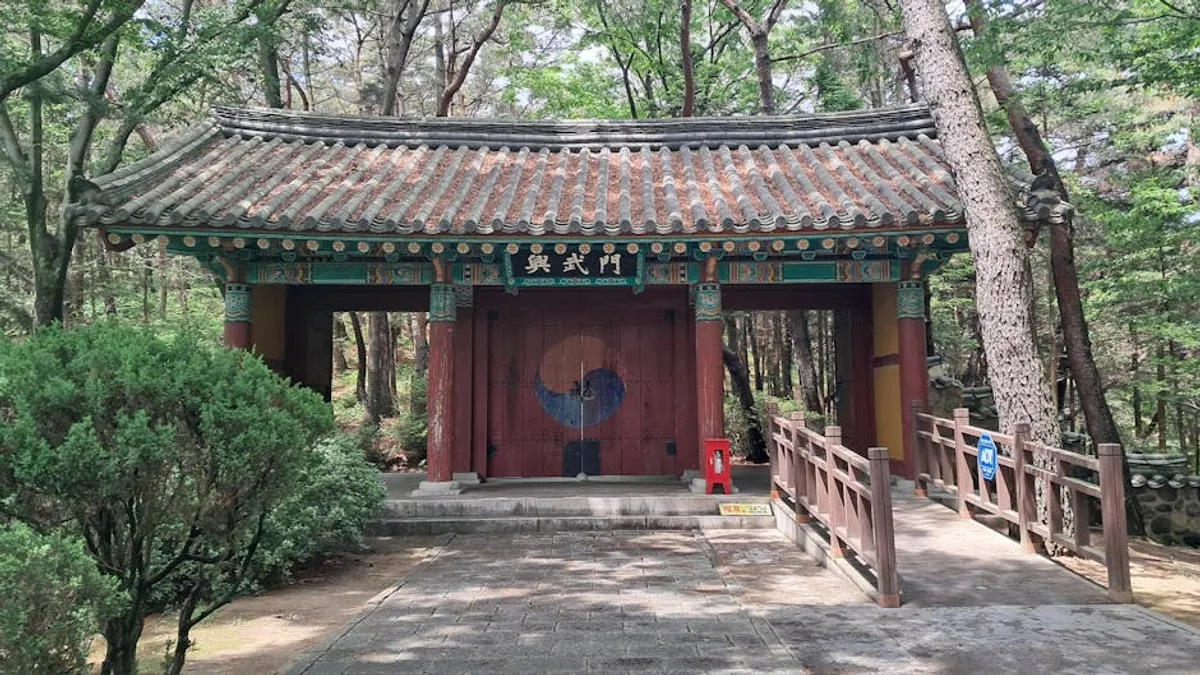
Korean history landmarks offer more than just architectural remnants; they represent tangible narratives of dynastic shifts, cultural resilience, and profound artistic development. For professionals in cultural tourism, educational content, or destination marketing, understanding these sites provides a critical foundation for engaging audiences. Each landmark serves as a primary source for historical inquiry, offering insights into governance, societal structures, religious beliefs, and daily life across millennia. The commercial utility lies in crafting compelling narratives that attract visitors seeking authentic cultural immersion, educational experiences, or photographic opportunities that resonate with historical depth.
Foundational Eras and Their Enduring Legacy
The historical landscape of Korea is shaped by distinct periods, each leaving indelible marks reflected in its landmarks. The Three Kingdoms period (Goguryeo, Baekje, Silla) established foundational cultural and political identities, evident in ancient tombs and fortress remains. The subsequent Goryeo Dynasty unified the peninsula, fostering a golden age of Buddhism and sophisticated celadon production, with temples and pagodas surviving from this era. The Joseon Dynasty, lasting over 500 years, solidified Confucian ideals, resulting in grand palaces, administrative structures, and meticulously planned cities. Recognizing these periods provides context for the architectural styles, artistic motifs, and historical significance inherent in each site.
Royal Grandeur: Joseon Dynasty Palaces
Seoul's Five Grand Palaces, primarily from the Joseon Dynasty, exemplify royal power and architectural sophistication. Gyeongbokgung Palace, the largest, served as the primary royal residence and administrative center. Its restoration efforts, including the Gwanghwamun gate and Geunjeongjeon throne hall, highlight meticulous historical reconstruction based on extensive records. Changdeokgung Palace, a UNESCO World Heritage site, stands out for its harmonious integration with the natural landscape, particularly its Secret Garden (Huwon). This design philosophy reflects Confucian principles of balance and respect for nature. These palaces are not merely buildings; they are complex representations of Joseon governance, court life, and ceremonial practices.
Visitor Appeal: Ideal for history enthusiasts, architectural studies, and cultural photographers seeking detailed insights into royal life and traditional Korean aesthetics.
Fortifications and Defensive Architecture: Hwaseong Fortress
Hwaseong Fortress in Suwon, another UNESCO World Heritage site, represents a pinnacle of 18th-century military architecture. Commissioned by King Jeongjo, it incorporates advanced Eastern and Western defensive technologies, including brick construction, battlements, and observation towers. Its construction records, the "Hwaseong Seongyeok Uigwe," are detailed blueprints that facilitated its precise reconstruction after wartime damage. The fortress walls, stretching over 5.5 kilometers, encircle a vibrant city center, demonstrating its dual role as a defensive structure and a planned urban core. Its design emphasizes both functionality and aesthetic integration with the surrounding topography.
Strategic Value: Offers a compelling case study in historical engineering and urban planning, appealing to visitors interested in military history, conservation, and sustainable urban development.
Pro Tip: When developing content or tour itineraries around Korean historical landmarks, emphasize the UNESCO World Heritage status where applicable. This designation signals global significance, rigorous preservation standards, and often implies enhanced visitor infrastructure, which can be a key differentiator for attracting international audiences and educational groups.
Spiritual Sanctuaries: Bulguksa and Seokguram Grotto
Located near Gyeongju, Bulguksa Temple and Seokguram Grotto are iconic examples of Silla Dynasty Buddhist art and architecture, both UNESCO World Heritage sites. Bulguksa, built in the 8th century, features intricate wooden structures atop stone terraces, symbolizing the Buddhist ideal of a terrestrial paradise. Its Dabotap and Seokgatap pagodas are masterpieces of stone masonry. Seokguram Grotto houses a monumental Buddha statue, carved from granite, facing the East Sea. The grotto's precise architectural design, including its ventilation and drainage systems, showcases advanced scientific and artistic knowledge from the Silla period, designed to preserve the statue and maintain a sacred atmosphere.
Cultural Significance: Essential for understanding the profound influence of Buddhism on Korean culture, art, and spirituality, attracting visitors interested in religious history, art history, and contemplative travel.
Ancient Burial Sites: Gyeongju Tumuli
Gyeongju, the ancient capital of the Silla Kingdom, is renowned for its vast fields of royal burial mounds, or tumuli. These grass-covered hills, such as those in Daereungwon Tomb Complex, conceal elaborate burial chambers filled with priceless artifacts, including golden crowns, pottery, and weapons. The Cheonmachong (Heavenly Horse Tomb) and Hwangnamdaechong (Great Tomb of Hwangnam) have yielded significant archaeological finds, providing direct evidence of Silla's material culture, social hierarchy, and artistic achievements. These sites offer a unique window into the funerary practices and belief systems of an ancient kingdom.
Educational Focus: Valuable for archaeological studies, historical research, and visitors seeking direct engagement with ancient civilizations and their tangible legacies.
Navigating Historical Sites for Audience Engagement
Effective content and visitor experiences for Korean historical landmarks require more than just listing facts. It involves translating historical context into engaging narratives. For example, when discussing palaces, focus on the daily lives of kings and queens, political intrigues, or significant historical events that unfolded within their walls. For fortresses, detail the engineering marvels and the strategic importance in past conflicts. When presenting temples, explain the symbolism of their art and architecture, connecting it to Buddhist philosophy. Accessibility information, guided tour options (including multilingual guides), and seasonal considerations (e.g., cherry blossoms at palaces, autumn foliage at temples) enhance practical utility for audiences planning visits.
- Contextual Storytelling: Weave historical events, personal anecdotes, and cultural significance into descriptions.
- Visual Richness: Emphasize photographic opportunities and unique architectural details.
- Logistical Clarity: Provide practical information on access, operating hours, and facilities.
- Thematic Grouping: Suggest itineraries based on specific interests (e.g., "Royal History Tour," "Buddhist Art Journey").
Strategic Engagement with Korean History
Leveraging Korean history landmarks for commercial or educational purposes demands a nuanced approach. It requires recognizing the distinct value proposition of each site, from the political gravitas of Seoul's palaces to the spiritual tranquility of Gyeongju's temples. For content creators, this means developing narratives that not only inform but also inspire travel and deeper cultural understanding. For travel marketers, it involves segmenting audiences based on their historical interests and tailoring experiences accordingly. The goal is to transform passive observation into active engagement, ensuring that these rich historical assets continue to educate and captivate audiences globally.
Frequently Asked Questions
What is the best time of year to visit Korean historical landmarks?
Spring (April-May) and autumn (September-October) offer pleasant weather, vibrant foliage, and comfortable conditions for exploring outdoor sites. Summer can be hot and humid, while winter brings cold temperatures but fewer crowds.
Are guided tours available at most major historical sites?
Yes, many major historical sites, especially UNESCO World Heritage properties, offer official guided tours, often in multiple languages. Audio guides are also commonly available for independent exploration.
Do I need to book tickets in advance for these landmarks?
While some popular sites might benefit from advance booking during peak season, most Korean historical landmarks allow on-site ticket purchases. Check specific site websites for current entry requirements and reservation policies.
How can I best experience the cultural significance of these sites?
Beyond visual appreciation, consider engaging with historical context through guided tours, museum exhibits at the sites, or by reading about the specific historical period before your visit. Many sites also host cultural performances or traditional craft demonstrations.