
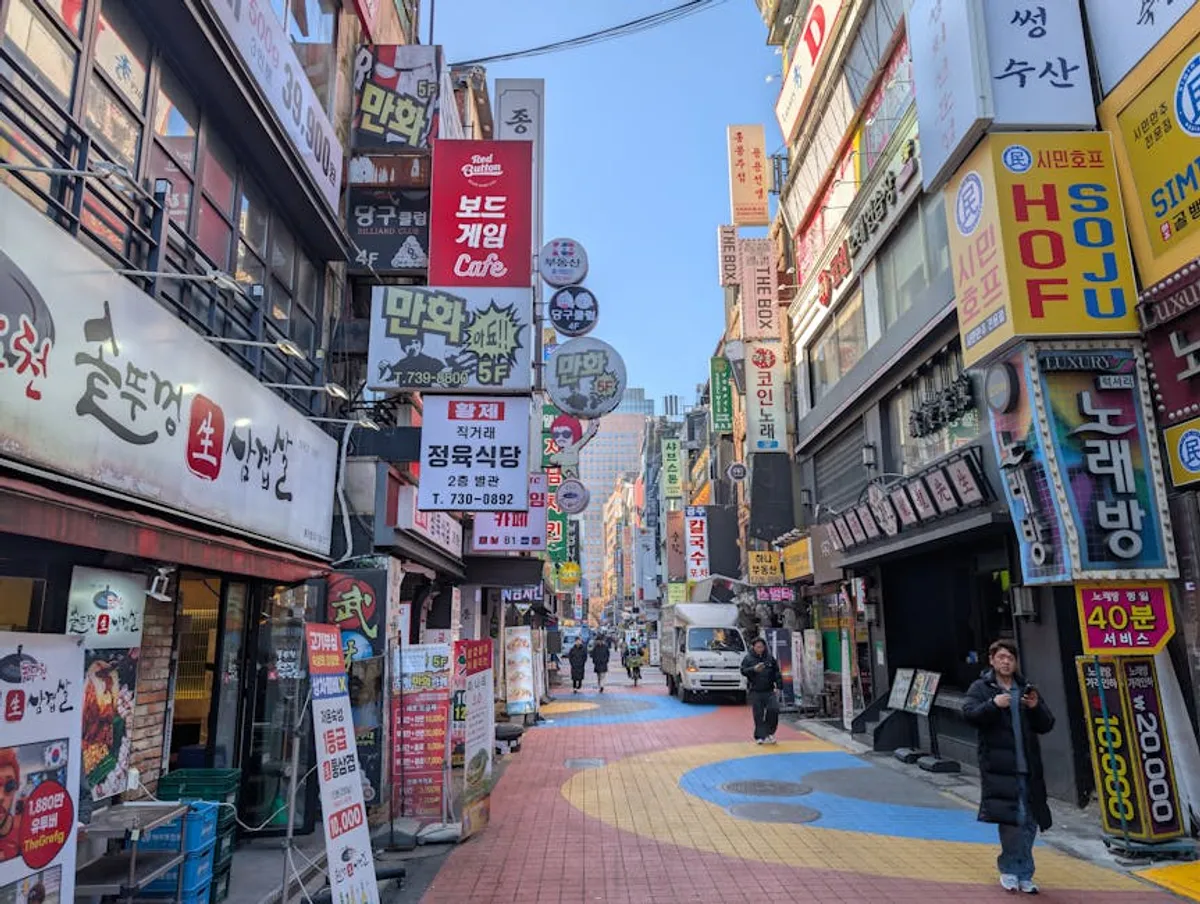
International students choosing South Korea for their studies embark on an experience rich with academic opportunity and cultural immersion. While the prospect is exciting, navigating a new culture presents unique challenges. Understanding Korean social norms, communication styles, and daily etiquette is not merely a formality; it is essential for a smoother transition, effective integration, and a more fulfilling academic and personal journey. This guide provides actionable insights into key cultural aspects, designed to equip international students with the knowledge needed to thrive in their new environment.
Understanding Core Cultural Values
Korean culture is deeply rooted in principles of respect, harmony, and community. Familiarity with these foundational values will significantly enhance an international student's ability to interpret social cues and interact appropriately.
The Concept of Jeong (정)
Jeong describes a deep, often unspoken, emotional connection or bond that develops between people over time. It encompasses feelings of affection, loyalty, and empathy. While not immediately apparent, understanding Jeong helps explain the strong sense of community and mutual care often observed in Korean relationships, from friendships to professional networks. Students may experience Jeong through gestures of hospitality from classmates or hosts, which often go beyond typical politeness.
Nunchi (눈치): Reading the Room
Nunchi refers to the subtle art of gauging others' moods, intentions, and unspoken thoughts through their non-verbal cues and the general atmosphere. Possessing good Nunchi means being perceptive and tactful, allowing one to adapt their behavior to maintain harmony and avoid causing discomfort. For international students, developing Nunchi involves paying close attention to body language, tone of voice, and the context of social situations, especially in group settings.
Respect and Hierarchy
Hierarchy is a pervasive element in Korean society, influencing interactions based on age, social status, and professional position. This is most evident in the use of honorifics in language and specific protocols in social interactions. Younger individuals or those of lower status typically show deference to elders or superiors. This translates to bowing, using specific speech levels, and observing particular seating arrangements or serving customs during meals.
- Addressing others: Use honorifics like -ssi (씨) or -nim (님) with names, or specific titles like Seonsaengnim (선생님) for teachers/professors. Avoid using first names with older individuals unless explicitly invited.
- Bowing: A common greeting and sign of respect. The depth of the bow often correlates with the level of respect being shown.
- Gift-giving: Often reciprocated and a way to show appreciation, especially when visiting someone's home.
Navigating Social Etiquette
Specific social customs govern many daily interactions. Adhering to these demonstrates respect and facilitates smoother integration.
Dining Practices
Meal times are communal and often follow specific protocols. It is customary to wait for the eldest person to begin eating before others. Pouring drinks for others, especially elders, is common, and one should always use two hands when pouring or receiving a drink. Avoid blowing your nose at the table, and try to finish your meal without leaving excessive food waste, though it is acceptable to leave a small amount to signal satiety. Eating sounds, like slurping noodles, are generally acceptable and can even indicate enjoyment.
Public Behavior
Public spaces often demand a degree of reserved conduct. Loud conversations on public transport are generally frowned upon. While personal space might feel less expansive than in some Western cultures, direct physical contact with strangers is uncommon. Queueing is expected, and politeness extends to allowing elders to go first. Always remove your shoes when entering someone's home or certain traditional establishments like temples or specific restaurants.
Pro Tip: When offering or receiving items, especially money or business cards, always use two hands. This gesture signifies respect and attentiveness, particularly when interacting with someone older or in a position of authority. A single-handed exchange can be perceived as casual or even dismissive.
Communication Nuances
Korean communication often prioritizes harmony and indirectness, which can differ significantly from more direct communication styles.
Indirect Communication
Direct "no" responses or overt disagreement can sometimes be perceived as impolite or confrontational, especially in formal settings or when speaking with elders. Koreans may use indirect phrases, silence, or expressions of difficulty to convey a negative response. Learning to interpret these subtle cues is crucial. Similarly, asking direct personal questions upon first meeting someone can be considered intrusive.
Expressing Gratitude and Apology
Expressions of gratitude and apology are frequent and important. Saying "thank you" (감사합니다 - gamsahamnida or 고맙습니다 - gomapseumnida) and "I'm sorry" (죄송합니다 - joesonghamnida or 미안합니다 - mianhamnida) are integral to daily interactions and help maintain social harmony. Over-apologizing for minor inconveniences is not uncommon and serves to show consideration for others.
Academic and Daily Life Adjustments
The academic environment and practicalities of daily living also present cultural differences.
Classroom Dynamics
Korean classrooms often feature a more hierarchical structure, with professors holding significant authority. Students typically show deference by listening attentively, avoiding interruption, and often refraining from challenging the professor directly in class. Participation may be less vocal than in some Western educational systems, but active listening and thorough preparation are highly valued. Group projects are common and emphasize cooperation.
Public Transportation
South Korea boasts an efficient and extensive public transportation network. Subways and buses are punctual, clean, and well-connected. Understanding the T-Money card system (a rechargeable transit card) is essential for seamless travel. While efficient, peak hours can be very crowded, requiring patience and awareness of personal space.
Shopping and Services
Many transactions are cashless, relying heavily on credit cards or mobile payment systems. Convenience stores are ubiquitous and offer a wide range of services, including bill payment and parcel pick-up. Bargaining is generally not practiced in retail stores but may occur in traditional markets. Customer service is typically polite and efficient.
Making the Most of Your Korean Journey
Embracing the cultural differences with an open mind and a willingness to learn will significantly enrich your study abroad experience. Focus on observing, asking questions respectfully, and practicing new customs. Language acquisition, even basic phrases, demonstrates effort and opens doors to deeper connections. Seek out university international student offices, which often provide resources, workshops, and social events designed to aid integration.
Frequently Asked Questions
Is it necessary to learn Korean before arriving?
While not strictly required for all programs, learning basic Korean phrases significantly enhances daily life, facilitates interactions, and demonstrates respect for the local culture. Many universities offer language courses for international students.
How can I make friends with Korean students?
Joining university clubs, participating in campus events, and engaging in group projects are excellent ways to meet Korean students. Be patient, show genuine interest in their culture, and be open to sharing aspects of your own. Inviting classmates for coffee or a meal can also be a good starting point.
What should I do if I experience culture shock?
Culture shock is a common experience. Acknowledge your feelings, maintain connections with friends and family, and seek support from your university's international student services. Engaging in familiar hobbies, exploring local attractions, and practicing self-care can help mitigate its effects.
Are there specific cultural taboos I should be aware of?
Avoid writing names in red ink, as it is traditionally associated with death. Do not stick chopsticks upright in your rice bowl, as this resembles offerings at a funeral. Also, avoid showing the soles of your feet to others, especially elders, as it can be considered disrespectful.