
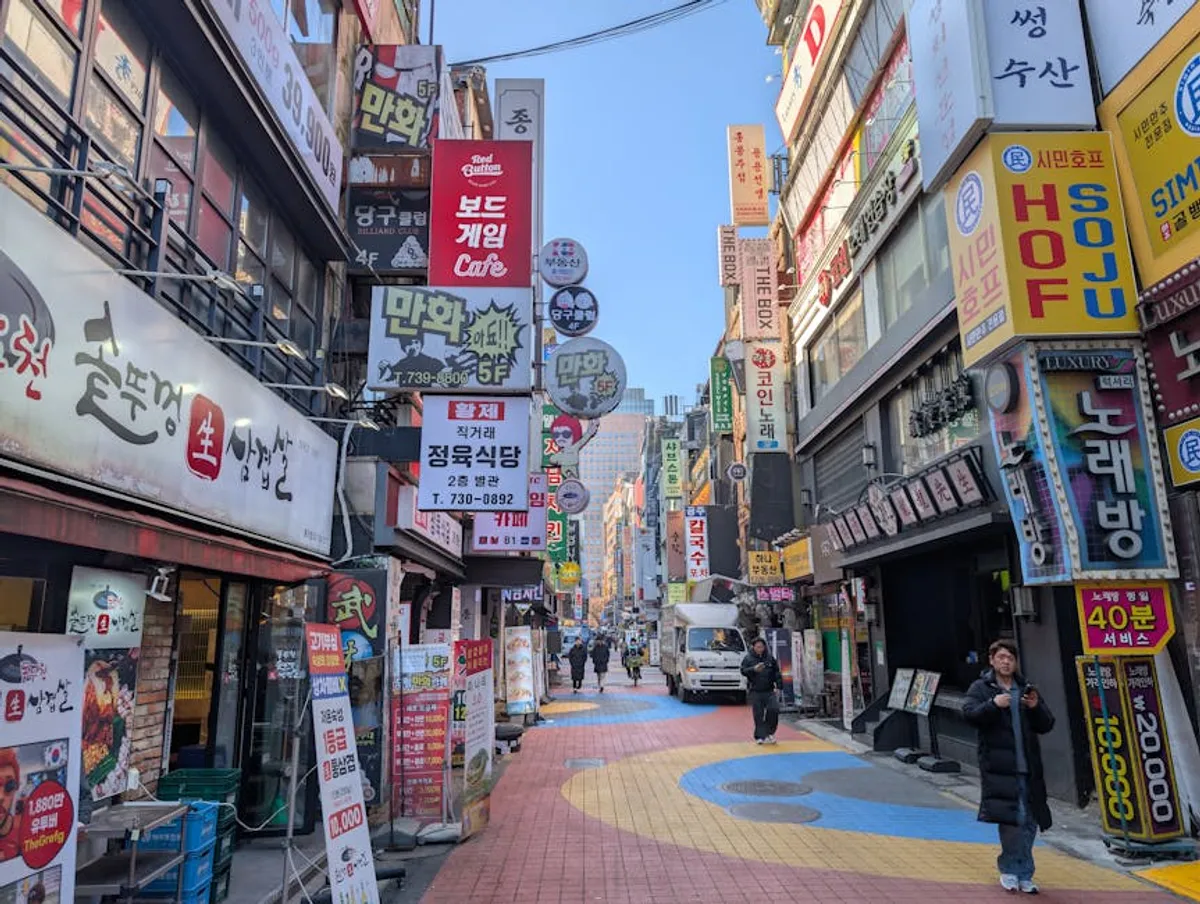
For any content creator, marketer, or publisher targeting audiences interested in South Korea, a deep understanding of its culture is not merely beneficial—it is foundational. Superficial knowledge risks misinterpretation, alienating audiences, and undermining brand credibility. A comprehensive Korean Culture Glossary serves as a strategic asset, moving beyond simple definitions to provide the nuanced context essential for crafting authentic, resonant content. This resource equips teams to navigate linguistic subtleties, cultural practices, and historical references with precision, ensuring that every piece of content, from blog posts to marketing campaigns, is both accurate and impactful. Its commercial utility lies in enabling more effective SEO, building stronger audience connections, and establishing authority in a competitive digital landscape. This ensures content creators can accurately use and understand specific Korean news vocabulary, fostering deeper audience connection.
Defining a Korean Culture Glossary for Content Strategy
A Korean Culture Glossary extends beyond a dictionary of direct translations. It is a curated collection of terms, concepts, and expressions specific to Korean society, history, and daily life, explained with the cultural context necessary for non-native speakers or those unfamiliar with the nuances. For content creators, this means understanding not just what a word means, but its implications, appropriate usage, and how it resonates with a Korean or Korea-interested audience.
Linguistic Nuances and Contextual Terms
Many Korean terms lack direct English equivalents, requiring detailed explanations to convey their full meaning. For instance, words describing social relationships or emotional states often carry layers of significance that a simple translation misses. Incorporating these terms accurately demonstrates a sophisticated understanding that builds trust with discerning audiences.
- Jeong (정): A complex concept of deep affection, attachment, and bond that forms between people, places, or even objects. Essential for understanding interpersonal dynamics.
- Nunchi (눈치): The subtle art of gauging others' moods and feelings, and responding appropriately. Critical for understanding social etiquette and communication.
- Han (한): A collective feeling of unresolved sorrow, resentment, and longing, often associated with historical suffering. Deeply ingrained in the Korean psyche and cultural expression.
- Aegyo (애교): A display of cuteness or charm, often through gestures, tone of voice, or expressions, used to endear oneself to others. Common in entertainment and personal interactions.
Cultural Practices and Social Norms
Beyond individual words, a glossary should encompass terms related to customs, etiquette, and social structures. This includes greetings, dining practices, holiday traditions, and the underlying principles that govern social interactions. Understanding these terms prevents cultural missteps and allows for the creation of content that feels respectful and informed.
Best for: Marketers developing localized campaigns or content creators explaining cultural events.
Historical and Traditional Elements
Korean culture is deeply rooted in its history. Terms related to historical periods, traditional arts, architecture, and philosophical concepts provide crucial background. For example, understanding terms like hanbok (traditional attire), pansori (traditional musical storytelling), or chaebol (family-owned conglomerates) requires historical context to appreciate their significance today.
Commercial Applications for Content and SEO
Leveraging a Korean Culture Glossary strategically offers tangible benefits for digital content and SEO efforts.
Enhancing Content Authority and Accuracy
Using correct terminology and providing accurate cultural context builds credibility. When content demonstrates genuine understanding, it signals expertise to both readers and search engines. This reduces bounce rates, increases time on page, and fosters a loyal audience. Accuracy avoids the pitfalls of cultural appropriation or misrepresentation, which can damage brand reputation.
Specific application: Educational content, travel guides, product descriptions for culturally relevant items.
Unlocking Niche Keyword Opportunities
Many Korean cultural terms represent underserved long-tail keyword opportunities. By identifying and strategically integrating these terms, content creators can capture highly specific search intent from audiences actively seeking in-depth information. This extends beyond direct translations to include terms that describe unique Korean phenomena or concepts, driving qualified traffic to niche content.
Example: Instead of just "Korean food," targeting "kimchi jjigae recipe" or "tteokbokki history" with culturally accurate descriptions.
Supporting Localized Marketing Efforts
For brands entering the Korean market or targeting the Korean diaspora, a glossary ensures marketing messages are culturally sensitive and resonate effectively. It helps adapt slogans, product names, and campaign narratives to avoid unintended meanings or faux pas, fostering stronger connections with the target demographic. This goes beyond mere translation to true transcreation.
Best for: International brands, tourism boards, and entertainment platforms.
Pro Tip: When integrating Korean cultural terms into English content, always provide clear, concise explanations or context. Do not assume prior knowledge. This approach broadens accessibility for a general audience while satisfying the specific intent of those already familiar with the term, maximizing your content's reach and utility.
Building or Curating Your Own Glossary
Developing an internal glossary involves a systematic approach to ensure its utility and accuracy. Consider these key elements:
- Scope Definition: Determine which categories of terms are most relevant to your content strategy (e.g., food, entertainment, history, social customs).
- Term Selection: Prioritize terms that are frequently encountered, prone to misinterpretation, or represent significant cultural concepts.
- Definition Depth: Provide not just a literal translation, but also cultural context, usage examples, and pronunciation guides where helpful.
- Expert Review: Engage native speakers or cultural experts to verify accuracy and nuance. This is non-negotiable for credibility.
- Regular Updates: Cultures evolve, and so should your glossary. Periodically review and update terms, especially those related to contemporary trends (e.g., K-pop, K-drama).
- Internal Accessibility: Ensure the glossary is easily accessible to all content creators, editors, and marketers within your organization.
Strategic Integration for Content Teams
A Korean Culture Glossary is not a static document; it is a dynamic tool for ongoing content enhancement. Integrate its use into your editorial workflow by referencing it during content planning, drafting, and editing phases. Encourage content creators to consult it for keyword research, fact-checking, and ensuring cultural sensitivity. For SEO teams, it becomes a resource for identifying new content clusters and optimizing existing pages for specific cultural search queries. By treating the glossary as an active component of your content strategy, you consistently elevate the quality, relevance, and commercial impact of your output.
Frequently Asked Questions
How does a Korean Culture Glossary improve SEO?
It enhances SEO by enabling precise keyword targeting for niche cultural terms, improving content authority through accurate information, and reducing ambiguity, which signals higher quality to search engines. This leads to better rankings for relevant queries and increased organic traffic from interested audiences.
Is a glossary only useful for content directly about Korea?
No, its utility extends to any content that references Korean culture, even tangentially. This includes articles on global trends, international business, travel, or entertainment where Korean elements might be discussed. It ensures accuracy and cultural sensitivity in broader contexts.
Who should maintain and update the glossary?
Ideally, a dedicated content strategist or SEO specialist, in collaboration with native Korean speakers or cultural experts, should be responsible for its maintenance. This ensures ongoing accuracy, relevance, and alignment with evolving cultural trends and content objectives.