
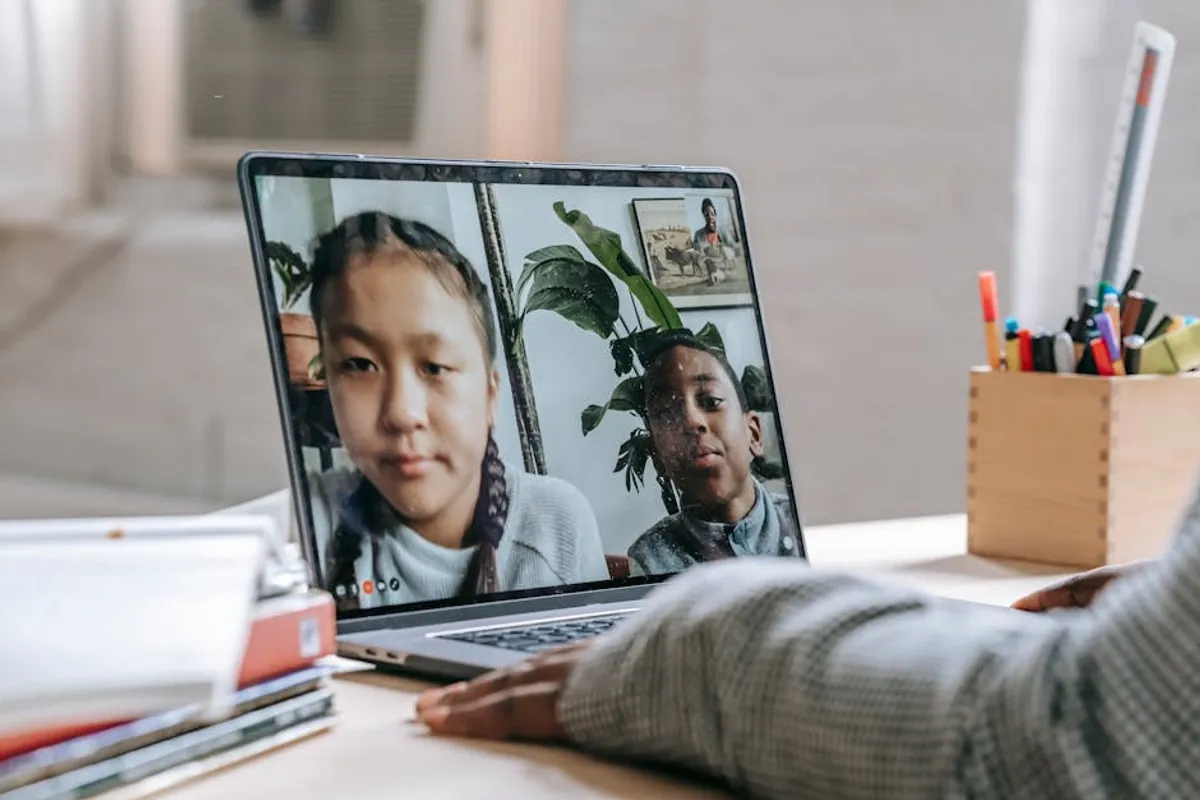
The South Korean education market, characterized by its intense competition and high parental investment, consistently serves as a bellwether for global educational shifts. For businesses, content creators, and educational technology providers targeting this dynamic landscape, understanding the projected trends for 2026 is not merely insightful; it is critical for strategic positioning and market entry. The confluence of technological advancement, evolving pedagogical philosophies, and demographic shifts is reshaping learner expectations and creating distinct commercial opportunities. This analysis outlines key areas where significant growth and transformation are anticipated, guiding stakeholders toward informed decision-making.
Digital Transformation and AI Integration in Learning
South Korea's robust digital infrastructure and early adoption rates position it at the forefront of AI-driven educational innovation. By 2026, the integration of artificial intelligence will move beyond experimental phases into mainstream application, particularly in personalized learning and administrative efficiencies.
- Personalized Learning Pathways: AI algorithms will increasingly analyze student performance data to recommend customized learning materials, adaptive assessments, and tailored remedial exercises. This addresses the long-standing challenge of catering to diverse learning paces and styles within a single classroom or online environment.
- AI-Powered Tutoring and Language Learning: Demand for AI tutors capable of providing instant feedback and conversational practice, especially for English language acquisition, will intensify. These tools offer scalability and accessibility beyond traditional human instructors.
- Data-Driven Educational Management: Schools and institutions will leverage AI for predictive analytics regarding student retention, curriculum optimization, and resource allocation, leading to more efficient operational models.
Commercial implications: This trend creates a direct market for advanced ed-tech platforms, AI development services, and content optimized for adaptive learning systems. Publishers and content creators must consider how their materials can be modularized and tagged for AI integration, allowing for dynamic assembly based on individual learner needs. Marketers should focus on demonstrating measurable learning outcomes and efficiency gains offered by AI-powered solutions.
Emphasis on Soft Skills and Future-Proofing Curricula
The traditional South Korean education system, often criticized for its focus on rote memorization and standardized testing, is undergoing a significant philosophical shift. Recognizing the demands of a rapidly changing global economy, the 2026 outlook emphasizes the cultivation of critical soft skills.
Beyond Rote Learning: Cultivating 21st-Century Competencies
Curricula will increasingly prioritize skills such as critical thinking, creativity, collaboration, problem-solving, and digital literacy. This shift is driven by the understanding that automation and AI will displace many routine tasks, making human-centric skills indispensable.
Impact on content and services: Educational content providers need to pivot from purely factual dissemination to experiential and project-based learning materials. This includes simulations, interactive case studies, and collaborative platforms designed to foster teamwork and innovative thought. Training programs for educators on integrating these methodologies will also see increased demand. For SEOs, targeting keywords related to "critical thinking education," "creative problem-solving courses," and "collaboration skills development" will become more relevant.
Early Childhood Education (ECE) as a Strategic Investment
Parental investment in early childhood education in South Korea remains exceptionally high, and this trend is projected to intensify by 2026. The focus is shifting towards holistic development and early exposure to foundational skills, rather than solely academic preparation.
Market opportunities: This segment presents opportunities for developers of high-quality, play-based learning resources, educational toys with a strong pedagogical underpinning, and interactive digital content designed for cognitive and emotional development in young children. Services supporting parental engagement, such as educational apps for tracking developmental milestones or providing curated learning activities, will also find a receptive market. Content strategies should emphasize research-backed benefits of early intervention and holistic development.
Pro Tip: Navigating the South Korean education market requires a deep understanding of its regulatory framework and cultural nuances. Solutions that succeed globally may need significant localization, not just in language, but in pedagogical approach and alignment with national educational goals. Generic "global" offerings often fail to resonate; specificity and cultural sensitivity are paramount for market penetration.
Lifelong Learning and Upskilling for the Adult Workforce
With rapid technological advancements and evolving industry demands, the concept of a static career path is diminishing. By 2026, lifelong learning and continuous upskilling will be imperative for the South Korean workforce, fueled by both individual ambition and government initiatives.
Responding to Industry 4.0 Demands
There will be a significant demand for adult education programs focused on emerging technologies like AI, big data analytics, cybersecurity, and advanced manufacturing. Government-backed initiatives will likely provide subsidies and support for reskilling and upskilling programs, making them accessible to a broader demographic.
Commercial relevance: This opens avenues for online course platforms, vocational training institutes, and corporate learning solutions specializing in high-demand tech skills. Certification programs from reputable institutions will be highly valued. Content marketers should target professionals seeking career transitions or advancement, focusing on the tangible benefits of acquiring new skills in a competitive job market. Partnership opportunities with employers and industry associations will be crucial for reaching this audience.
Strategic Imperatives for 2026
The South Korean education landscape in 2026 will be characterized by a blend of technological innovation and a renewed focus on fundamental human competencies. For businesses and content providers, success hinges on agility and a deep understanding of both macro trends and granular market needs. Prioritizing localized, high-quality, and outcome-oriented solutions will be key. Investing in R&D for AI-driven tools, developing curricula that foster critical thinking, and addressing the specific needs of early childhood and adult learners will position entities for sustained growth in this influential market.
Frequently Asked Questions
What role will government policy play in shaping these trends?
Government policy is a primary driver, often initiating curriculum reforms, funding for ed-tech development, and subsidies for lifelong learning programs. Monitoring Ministry of Education announcements and strategic plans is essential for anticipating shifts.
How important is English language proficiency in the 2026 South Korean education context?
English proficiency remains a critical component for global competitiveness, both academically and professionally. Demand for effective, innovative English language learning solutions, including AI-powered tutors and immersive content, will continue to be strong.
Are there specific demographic shifts impacting these education trends?
While birth rates are declining, leading to smaller student cohorts in traditional schooling, the intensity of parental investment per child is increasing. This, combined with an aging workforce needing reskilling, shifts focus towards high-quality, personalized solutions across all age groups.
What is the primary challenge for new entrants into the South Korean education market?
The highly competitive nature, coupled with discerning consumers and established domestic players, presents a significant barrier. Success often requires offering genuinely innovative solutions that demonstrate clear value, along with robust localization and a strong understanding of cultural expectations regarding educational quality and outcomes.