
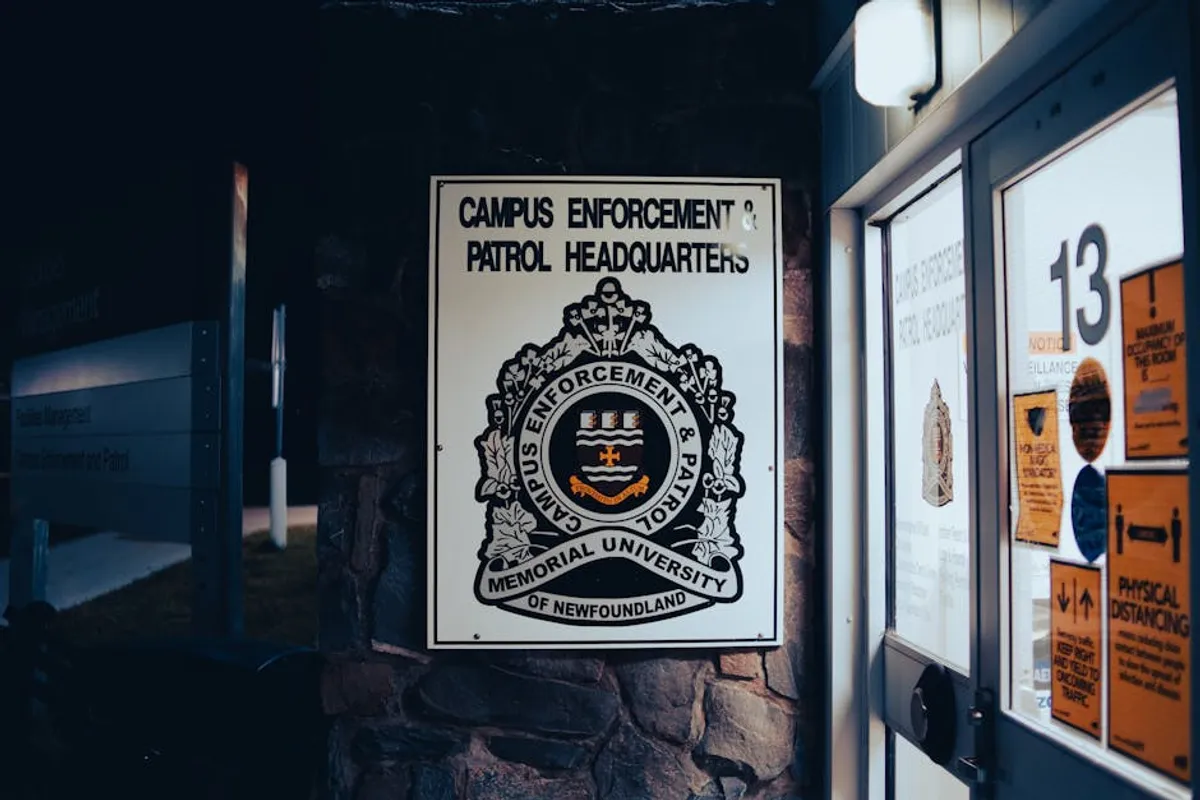
Navigating campus life involves balancing academic pursuits, social engagement, and personal well-being. A critical component of this balance is understanding and actively participating in campus safety. This guide outlines essential practices and resources designed to foster a secure environment, empowering students, faculty, and staff to mitigate risks and respond effectively to potential incidents. Proactive engagement with safety protocols not only protects individuals but also contributes to a resilient campus community.
Understanding Campus Security Infrastructure
Modern campuses integrate a range of physical and technological safeguards to deter threats and facilitate rapid response. Familiarity with these systems is a foundational step in personal safety. Most institutions deploy a combination of security personnel, emergency communication tools, and access control measures.
- Security Personnel and Patrols: Many campuses maintain dedicated security or police departments that conduct regular patrols, respond to incidents, and provide assistance. These teams are often trained in emergency response and de-escalation techniques.
- Emergency Call Boxes: Strategically placed blue light phones or emergency call boxes offer direct, immediate connection to campus security. These are typically found in parking lots, along pathways, and in secluded areas, providing a visible point of contact during emergencies.
- Access Control Systems: Residence halls and administrative buildings frequently utilize card-access systems, requiring student or employee IDs for entry. This limits unauthorized access and helps track entry/exit points.
- Surveillance Systems: Closed-circuit television (CCTV) cameras are often installed in public areas, building entrances, and parking structures to monitor activity and provide evidence if an incident occurs.
Personal Safety Protocols for Students
Individual actions play a significant role in minimizing risk. Adopting consistent personal safety habits can enhance overall security, particularly during off-peak hours or in less populated areas.
Awareness and Vigilance: Maintaining situational awareness means observing your surroundings, noting who is nearby, and identifying potential escape routes. Avoid distractions like headphones at full volume or constant phone use, which can reduce your ability to detect threats.
Travel in Groups: Whenever possible, especially at night, travel with a friend or in a group. If walking alone is unavoidable, stick to well-lit, frequently traveled paths. Many campuses offer escort services, where a security officer or designated student volunteer will accompany you across campus.
Secure Personal Belongings: Keep valuables out of sight and secure. Lock your backpack or purse, and never leave laptops, phones, or wallets unattended in public spaces like libraries or dining halls. Utilize campus lockers if available for temporary storage.
Emergency Contact Information: Program campus security and local emergency numbers into your phone. Familiarize yourself with any campus-specific emergency apps that allow for quick reporting or location sharing.
Residence Hall Security Measures
Living on campus requires adherence to specific security guidelines to protect residents and their property. These measures often involve both individual responsibility and communal vigilance.
Lock Your Doors and Windows: This is the most fundamental step. Always lock your room door, even if you are just stepping out for a moment. Ensure windows are secured, especially if your room is on the ground floor or easily accessible.
Do Not Prop Open Doors: Exterior doors to residence halls are designed to remain locked for security. Propping them open, even briefly, compromises the safety of all residents. Report any propped doors to residence life staff or campus security immediately.
Guest Policies: Understand and follow your residence hall's guest policies. Registering guests often provides an accountability layer, ensuring that only authorized individuals are present in the building.
Report Suspicious Activity: If you notice an unfamiliar person loitering, someone attempting to gain unauthorized access, or any unusual behavior, report it to residence hall staff or campus security. It is always better to report a false alarm than to ignore a potential threat.
Pro Tip: Actively participate in campus safety briefings and emergency drills. Understanding evacuation routes, shelter-in-place procedures, and communication protocols can be critical during an actual emergency. Your preparedness directly impacts your safety and the safety of those around you.
Emergency Preparedness and Response
Knowing how to react during an emergency can significantly improve outcomes. Campuses regularly conduct drills and disseminate information on various emergency scenarios.
Active Threat Response: Many institutions adopt the "Run, Hide, Fight" protocol for active shooter situations. Familiarize yourself with these steps: run if a safe escape path is available, hide if you cannot run, and fight as a last resort to defend yourself.
Fire Safety: Understand your building's fire alarm system and evacuation routes. Know the location of fire extinguishers and how to use them safely. Never tamper with fire safety equipment, as this endangers everyone.
Natural Disasters: Depending on the geographical location, campuses may have specific plans for earthquakes, hurricanes, tornadoes, or floods. Know the designated shelter areas and communication procedures for these events.
Digital Safety and Data Protection
In an increasingly connected environment, digital security is as vital as physical safety. Protecting your personal information and devices prevents identity theft and cyber-attacks.
Strong Passwords and Multi-Factor Authentication: Use complex, unique passwords for all accounts, especially those linked to academic or financial information. Enable multi-factor authentication (MFA) wherever possible, adding an extra layer of security.
Phishing and Scams: Be wary of unsolicited emails, texts, or calls requesting personal information. Phishing attempts often mimic legitimate organizations. Verify the sender before clicking links or providing data. Campus IT departments often provide resources to identify and report such attempts.
Public Wi-Fi Risks: Avoid conducting sensitive transactions (banking, shopping) on unsecured public Wi-Fi networks. These networks can be vulnerable to eavesdropping. Use a Virtual Private Network (VPN) if you must access sensitive information on public networks.
Building a Secure Campus Experience
Campus safety is a shared responsibility, requiring continuous engagement from every member of the community. By understanding the available resources, adhering to established protocols, and practicing vigilance, individuals contribute to a safer environment for everyone. Proactive communication with campus security and utilizing support services are essential components of this collective effort. Your awareness and adherence to safety guidelines are the most effective deterrents against potential risks.
Frequently Asked Questions
What should I do if I feel unsafe walking alone at night?
Utilize your campus's escort service, which typically provides a security officer or trained volunteer to accompany you. Stick to well-lit, populated routes, and avoid distractions like headphones. Program campus security's number into your phone for quick access.
How do I report a non-emergency safety concern, such as suspicious activity or a broken light?
Most campuses have a dedicated non-emergency line for security or facilities. You can also use campus-specific apps or online portals to report issues. For residence hall concerns, contact your Resident Advisor (RA) or residence life staff.
Are self-defense classes available on campus?
Many universities offer free or low-cost self-defense workshops or courses through their recreation centers, student affairs offices, or campus police departments. Check your campus's student activities or wellness websites for schedules and registration details.
What resources are available for mental health support?
Campuses typically provide counseling services, crisis hotlines, and peer support groups. These resources are confidential and can help manage stress, anxiety, and other mental health challenges that can indirectly impact personal safety. Information is usually available through the student health center or counseling department.