
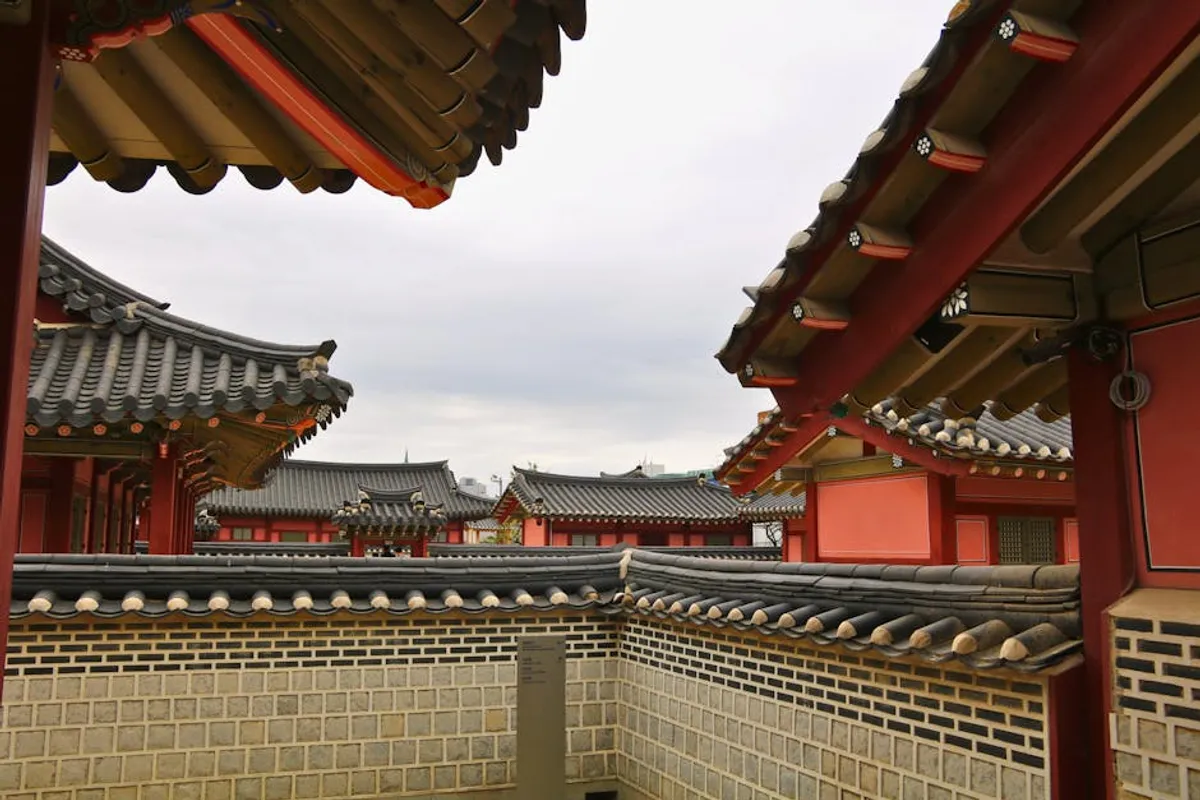
Understanding Korea's rich historical landscape offers significant advantages, whether for content creators seeking compelling narratives, marketers aiming for culturally resonant campaigns, or professionals looking to deepen their grasp of East Asian heritage. The nation's past is not merely a collection of dates and events; it is a vibrant tapestry woven with dynasties, philosophical shifts, artistic advancements, and moments of profound challenge and resilience. Engaging with these historical sites provides tangible context, transforming abstract knowledge into immersive understanding. This article identifies key historical locations across South Korea that serve as exceptional educational resources, each offering unique insights into different eras and facets of Korean civilization. The selection prioritizes sites that are well-preserved, offer substantial interpretive value, and collectively paint a comprehensive picture of the country's historical evolution.
What to Look For in a Korean Historical Site
When selecting historical sites for deeper engagement, consider several factors beyond mere popularity. Prioritize locations with strong historical provenance, meaning their authenticity and significance are well-documented and recognized by UNESCO or national heritage bodies. Assess the quality of preservation and restoration; sites that have undergone careful, historically accurate reconstruction often provide a more immersive experience. Evaluate the interpretive resources available, such as museums, informational plaques, and guided tours, particularly those offering English or other language options. Look for sites that represent distinct periods or cultural movements—for example, a Joseon Dynasty palace versus a Silla Kingdom temple—to ensure a diverse educational journey. Finally, consider accessibility and the overall visitor experience, as ease of navigation and facilities can impact the depth of engagement.
1. Gyeongbokgung Palace
Gyeongbokgung, the primary royal palace of the Joseon Dynasty, stands as a monumental representation of Korea's imperial past. Constructed in 1395, it served as the heart of the kingdom for centuries, witnessing political intrigue, cultural flourishing, and periods of destruction and restoration. Its sprawling grounds encompass grand halls, royal residences, and intricate gardens, meticulously rebuilt to reflect its original grandeur. The architectural style, embodying traditional Korean design principles, offers a direct window into the aesthetic and functional priorities of a bygone era, making it a foundational site for understanding Korean heritage.
Best for: Comprehensive overview of Joseon Dynasty royal life, architectural photography, cultural immersion for first-time visitors to Korea.
Pros: Central location in Seoul, extensive restoration provides a vivid sense of scale and detail, regular cultural performances (e.g., changing of the guard), well-developed visitor infrastructure including guided tours.
Cons: Can be exceptionally crowded, particularly during peak tourist seasons, some areas may feel less authentic due to extensive modern reconstruction, limited opportunities for truly quiet reflection.
Verdict: Essential for any deep dive into Korean history, Gyeongbokgung offers an accessible, visually stunning, and educationally rich experience, despite its popularity requiring strategic timing for optimal engagement.
2. Changdeokgung Palace & Huwon (Secret Garden)
Changdeokgung, another of the "Five Grand Palaces" built during the Joseon Dynasty, distinguishes itself through its harmonious integration with the natural landscape. Unlike Gyeongbokgung's more formal layout, Changdeokgung was designed to conform to the contours of the surrounding hills, embodying principles of traditional Korean architecture and garden design. Its most notable feature, the Huwon (Secret Garden), is a sprawling, meticulously maintained natural space that served as a private retreat for royalty. This UNESCO World Heritage site offers a nuanced perspective on royal living, emphasizing aesthetic balance and environmental respect.
Best for: Understanding Korean landscape architecture, experiencing royal gardens, exploring a less formal yet equally significant royal residence.
Pros: UNESCO World Heritage status, Huwon offers a serene and unique experience (often requires separate booking), generally less crowded than Gyeongbokgung, strong emphasis on natural harmony.
Cons: Huwon access is limited to guided tours, which might restrict independent exploration; some areas of the palace are less extensively restored than Gyeongbokgung.
Verdict: Changdeokgung provides a vital counterpoint to Gyeongbokgung, showcasing a different architectural philosophy and offering unparalleled insight into Joseon Dynasty royal leisure and garden design.
3. Bulguksa Temple & Seokguram Grotto
Located near Gyeongju, the ancient capital of the Silla Kingdom, Bulguksa Temple is a masterpiece of Buddhist art and architecture from the 8th century. It embodies the spiritual and technological prowess of the Unified Silla period, featuring intricate stone pagodas (Dabotap and Seokgatap), ornate bridges, and meticulously crafted halls. Nearby, the Seokguram Grotto houses a monumental Buddha statue, considered one of the finest examples of classical Buddhist sculpture in the world. Both sites are UNESCO World Heritage properties, representing the zenith of Silla Buddhist culture and artistic achievement.
Best for: Deep immersion in Silla Dynasty Buddhist art and architecture, understanding Korea's early spiritual heritage, historical photography.
Pros: UNESCO World Heritage sites, exceptional examples of ancient Korean craftsmanship, profound spiritual atmosphere, well-maintained grounds.
Cons: Seokguram Grotto viewing is through a glass partition, limiting direct experience; located outside Gyeongju city center, requiring additional travel; can be crowded during peak season.
Verdict: Bulguksa and Seokguram are indispensable for anyone studying the Silla Kingdom or early Korean Buddhism, offering tangible evidence of a sophisticated ancient civilization's artistic and religious devotion.
4. Hwaseong Fortress
Hwaseong Fortress, encircling the city of Suwon, is a late Joseon Dynasty masterpiece of military architecture. Constructed from 1794 to 1796 under King Jeongjo, it incorporated advanced design principles from both Eastern and Western fortifications, including brick and stone construction, innovative battlements, and strategically placed observation towers. Its approximately 5.7-kilometer wall, complete with four gates, bastions, and command posts, remains largely intact and offers a comprehensive view of 18th-century defensive engineering. The fortress represents a pivotal moment in Joseon's history, reflecting King Jeongjo's reformist ambitions and his vision for a new capital.
Best for: Studying Joseon Dynasty military architecture and urban planning, understanding late 18th-century Korean history, walking tours with historical context.
Pros: UNESCO World Heritage site, nearly complete circuit allows for extensive exploration, offers cultural performances and traditional archery experiences, easily accessible from Seoul.
Cons: Walking the entire wall can be physically demanding; some sections are modern reconstructions, though based on historical records; can be very hot in summer with limited shade.
Verdict: Hwaseong Fortress is a compelling destination for those interested in military history and Joseon-era innovation, providing a tangible sense of strategic defense and royal ambition.
5. Gyeongju Historic Areas
The Gyeongju Historic Areas encompass a collection of sites around the city of Gyeongju, which served as the capital of the Silla Kingdom for nearly a millennium. This UNESCO World Heritage site is often referred to as an "open-air museum," featuring a remarkable concentration of temples, royal tombs, palace ruins, and Buddhist statuary. Key components include the Tumuli Park (Daereungwon) with its distinctive burial mounds, the Cheomseongdae Observatory (one of the oldest astronomical observatories in East Asia), and the ruins of Hwangnyongsa Temple. These sites collectively illustrate the rise and fall of one of Korea's most powerful ancient kingdoms, showcasing its architectural, artistic, and scientific achievements.
Best for: Comprehensive understanding of the Silla Kingdom, archaeological exploration, experiencing a city steeped in ancient history.
Pros: UNESCO World Heritage site, high concentration of historically significant locations, well-preserved artifacts and structures, opportunities for cycling between sites.
Cons: Sprawling nature requires significant travel time between individual sites, some ruins require substantial imagination to reconstruct their former glory, can be very popular with domestic tourists.
Verdict: Gyeongju is an unparalleled destination for a deep dive into the Silla Dynasty, offering a broad spectrum of historical insights across various site types, from royal tombs to scientific instruments.
6. Jeonju Hanok Village
Jeonju Hanok Village stands as a living testament to traditional Korean urban planning and residential architecture. Comprising over 700 traditional Korean houses (hanok), this district in Jeonju city offers a glimpse into Joseon-era living, adapted for contemporary use. Unlike purely archaeological sites, Jeonju Hanok Village maintains a vibrant community, with many hanok now operating as guesthouses, craft shops, tea houses, and restaurants. It provides a unique opportunity to experience traditional culture in an active, inhabited setting, showcasing the enduring appeal and adaptability of Korean heritage.
Best for: Experiencing traditional Korean residential architecture and lifestyle, cultural tourism, culinary exploration (Jeonju is famous for bibimbap).
Pros: Authentic living environment, numerous cultural experience programs (hanbok rental, traditional crafts), excellent local cuisine, pedestrian-friendly layout.
Cons: Can become very touristy and crowded, particularly on weekends; some commercial establishments may detract from the historical atmosphere; less focused on specific historical events compared to other sites.
Verdict: Jeonju Hanok Village offers a unique, immersive cultural experience, providing tangible insights into traditional Korean daily life and architecture, making it valuable for understanding social history.
7. Baekje Historical Areas
The Baekje Historical Areas, a UNESCO World Heritage site, comprise eight archaeological sites located in the cities of Gongju, Buyeo, and Iksan. These sites collectively represent the later periods of the Baekje Kingdom (18 BC – 660 AD), one of the Three Kingdoms of Korea. They include the Gongsanseong Fortress and Royal Tombs in Gongju, the Busosanseong Fortress and Jeongnimsa Temple Site in Buyeo, and the Mireuksa Temple Site in Iksan. These areas showcase the artistic, architectural, and religious achievements of Baekje, particularly its sophisticated Buddhist culture and its significant cultural exchanges with China and Japan.
Best for: In-depth study of the Baekje Kingdom, understanding early Korean Buddhist influence, exploring diverse archaeological sites.
Pros: UNESCO World Heritage site, diverse collection of forts, temples, and tombs, provides insight into a less-known but influential Korean kingdom, generally less crowded than Silla sites.
Cons: Sites are spread across three cities, requiring logistical planning; some sites are largely ruins, necessitating imagination and good interpretive materials; less extensive restoration than some Joseon sites.
Verdict: The Baekje Historical Areas are crucial for a comprehensive understanding of Korea's Three Kingdoms period, revealing the unique cultural identity and international connections of Baekje.
8. Jongmyo Shrine
Jongmyo Shrine, located in Seoul, is the oldest and most authentic of the Confucian royal ancestral shrines preserved in Korea. Dedicated to the deceased kings and queens of the Joseon Dynasty, it houses their spirit tablets and serves as the venue for ancestral rites (Jongmyo Jerye), which are still performed today. The shrine's architectural simplicity and solemn atmosphere reflect the profound influence of Confucianism on Joseon society and governance. As a UNESCO World Heritage site, Jongmyo is a powerful symbol of royal legitimacy and the enduring cultural significance of ancestral worship in Korea.
Best for: Understanding Confucian rituals and philosophy, experiencing a site of profound spiritual and historical solemnity, architectural study of minimal yet grand design.
Pros: UNESCO World Heritage site, exceptional preservation of original structures, powerful and solemn atmosphere, annual ancestral rites offer a unique cultural spectacle.
Cons: Access is limited to guided tours, restricting independent exploration; the minimalist architecture might not appeal to all visitors; less visually diverse than palaces.
Verdict: Jongmyo Shrine is indispensable for understanding the spiritual and political foundations of the Joseon Dynasty, offering a direct link to the enduring practice of ancestral veneration.
9. Seoraksan National Park (Historical Temples)
While primarily known for its stunning natural beauty, Seoraksan National Park also hosts significant historical and cultural sites, most notably Sinheungsa Temple and Baekdamsa Temple. Sinheungsa, located near the park's entrance, dates back to the Silla era and features a massive bronze Buddha statue and intricate temple architecture, serving as a gateway to the park's spiritual heritage. Baekdamsa, deeper within the park, offers a more secluded and tranquil experience, reflecting the ascetic traditions of Korean Buddhism. These temples provide a unique perspective on how spiritual practices were integrated with and shaped by Korea's mountainous landscapes.
Best for: Combining natural exploration with historical and spiritual learning, understanding mountain Buddhism, photographic opportunities of temples against dramatic backdrops.
Pros: Beautiful natural setting enhances the spiritual experience, well-preserved temple structures, offers a contrast to urban historical sites, opportunities for hiking and reflection.
Cons: Requires travel outside major cities, accessibility to Baekdamsa involves a longer journey; focus is primarily on Buddhist heritage, less on dynastic history; can be crowded during peak foliage season.
Verdict: Seoraksan's temples offer a unique blend of natural and cultural heritage, providing valuable insight into the role of Buddhism in shaping Korea's cultural landscape, particularly for those seeking a more serene historical experience.
10. Dosan Seowon Confucian Academy
Dosan Seowon, located near Andong, is a historically significant Confucian academy established in 1574 by Yi Hwang, one of Korea's most revered Confucian scholars (often referred to as Toegye). This serene complex served as a private academy and shrine, dedicated to the study of Neo-Confucianism and the veneration of Yi Hwang. The architecture is modest yet functional, reflecting the scholarly pursuits conducted within its walls. As a UNESCO World Heritage site, Dosan Seowon offers profound insight into the intellectual and educational traditions of the Joseon Dynasty, highlighting the central role of Confucian philosophy in shaping Korean society.
Best for: In-depth study of Neo-Confucianism, understanding Joseon-era education, experiencing a tranquil scholarly environment.
Pros: UNESCO World Heritage site, excellent preservation of traditional academy structures, peaceful and contemplative atmosphere, direct connection to a pivotal figure in Korean thought.
Cons: Located in a rural area, requiring dedicated travel; interpretation may require prior knowledge of Confucianism for full appreciation; less visually grand than palaces or temples.
Verdict: Dosan Seowon is an essential destination for those interested in the intellectual history of Korea, providing a tangible link to the educational institutions that shaped the Joseon elite.
11. Gochang, Hwasun and Ganghwa Dolmen Sites
These three distinct areas, collectively designated as a UNESCO World Heritage site, contain hundreds of prehistoric dolmens (megalithic tombs) dating primarily from the 1st millennium BCE. These massive stone structures are remnants of the Bronze Age and represent the burial practices and social structures of early Korean societies. The sites offer a unique window into the pre-dynastic period of Korea, providing archaeological evidence of ancient communities, their beliefs, and their engineering capabilities. The sheer number and variety of dolmens across these locations make them globally significant for understanding megalithic cultures.
Best for: Prehistoric archaeology, understanding early Korean social structures, studying megalithic cultures.
Pros: UNESCO World Heritage site, globally significant concentration of dolmens, provides insight into Korea's earliest inhabitants, often less crowded than later historical sites.
Cons: Sites are geographically dispersed, requiring travel between locations; interpretation relies heavily on archaeological context rather than grand structures; may not appeal to those seeking traditional palace/temple experiences.
Verdict: The Dolmen Sites are critical for anyone seeking to understand the deep prehistory of the Korean Peninsula, offering concrete evidence of sophisticated Bronze Age societies and their funerary practices.
12. Andong Hahoe Folk Village
Andong Hahoe Folk Village is a traditional Korean village from the Joseon Dynasty, meticulously preserved and still inhabited by descendants of its original clans. Situated along the Nakdong River, the village maintains its original layout and traditional hanok houses, reflecting the social hierarchy and architectural styles of the period. It is renowned for its Hahoe Byeolsingut Talnori (mask dance drama), a UNESCO Intangible Cultural Heritage, which offers insights into Joseon-era folk beliefs and social satire. The village provides a living historical experience, showcasing traditional rural life and cultural practices.
Best for: Experiencing traditional Korean folk culture and rural life, understanding Joseon Dynasty social structures, witnessing traditional performing arts.
Pros: UNESCO World Heritage site, active and inhabited village, authentic traditional architecture, renowned mask dance performances, beautiful natural setting.
Cons: Can be very popular with tourists, especially during festival times; located in a rural area, requiring dedicated travel; some commercialization within the village.
Verdict: Andong Hahoe Folk Village is an exceptional resource for understanding Joseon-era folk culture, social dynamics, and traditional architecture, offering a vibrant, living historical experience.
Choosing the Right Historical Site for Your Objectives
Selecting the most appropriate Korean historical site depends directly on your specific learning or content creation objectives. If your goal is to understand the political and architectural zenith of the Joseon Dynasty, Gyeongbokgung and Changdeokgung are primary choices. For insights into early Korean Buddhism and Silla-era artistry, Bulguksa and Seokguram, alongside the broader Gyeongju Historic Areas, are indispensable. To explore military innovation and urban planning, Hwaseong Fortress offers detailed context. For a deep dive into Confucian thought and education, Dosan Seowon provides a focused environment. Those interested in prehistory should prioritize the Dolmen Sites, while an understanding of traditional folk life and architecture is best gained at Jeonju Hanok Village or Andong Hahoe Folk Village. Aligning the site's primary historical focus with your research questions ensures maximum utility and depth of engagement. Consider the interpretive resources available, the level of preservation, and the overall atmosphere to match the site to your desired outcome.
Frequently Asked Questions
Q: Are English-language guides available at most major Korean historical sites?
A: Many major historical sites, especially those with UNESCO status or high international visitor numbers, offer English-language guided tours or audio guides. It is advisable to check the official website of each specific site for details and booking information.
Q: What is the best time of year to visit Korean historical sites?
A: Spring (April-May) and autumn (September-October) generally offer the most pleasant weather, with moderate temperatures and clear skies, ideal for outdoor exploration. These seasons also feature beautiful natural scenery, such as cherry blossoms or autumn foliage, enhancing the visitor experience.
Q: Do I need to book tickets in advance for historical sites?
A: For most historical sites, especially palaces and temples, tickets can be purchased on-site. However, specific attractions like the Huwon (Secret Garden) at Changdeokgung Palace often require advance booking due to limited capacity. Checking individual site requirements before your visit is recommended.
Q: Are historical sites generally accessible for individuals with mobility challenges?
A: Accessibility varies significantly between sites. Modernized facilities at major palaces in Seoul often include ramps and elevators, but older sites, especially those with uneven terrain, numerous stairs, or located in rural areas, may present challenges. It is best to consult specific site information regarding accessibility features.
Q: Can I take photographs at historical sites?
A: Photography is generally permitted at most outdoor historical sites for personal use. However, restrictions may apply inside certain buildings, museums, or sacred spaces, particularly concerning flash photography. Always observe posted signs and guide instructions regarding photography.